Buy mdmusic.eu ?
We are moving the project
mdmusic.eu .
Are you interested in purchasing the domain
mdmusic.eu ?
domain@kv-gmbh.de · 0541-91531010
Buy mdmusic.eu ?
Does it belong more to rhythm, melody, and harmony?
The concept of harmony is most closely related to the interaction of different notes and chords in music. Harmony refers to the simultaneous sounding of different pitches to create a pleasing sound. While rhythm and melody are also important elements in music, harmony specifically deals with the vertical aspect of music, focusing on how notes and chords interact with each other. Therefore, harmony belongs more to the realm of harmony itself. **
What is the difference between rhythm, melody, and harmony?
Rhythm refers to the pattern of sounds and silences in music, creating a sense of movement and pulse. Melody is the sequence of musical notes that are perceived as a single entity, often the most recognizable and memorable part of a song. Harmony involves the combination of different musical notes played or sung simultaneously, creating a pleasing sound. While rhythm provides the framework for the timing of music, melody is the main tune, and harmony adds depth and richness to the overall sound. **


Similar search terms for ARCILLA-ELEMENTAL-Gray-Ceramic
Top-Angebote
Products related to ARCILLA-ELEMENTAL-Gray-Ceramic:
-
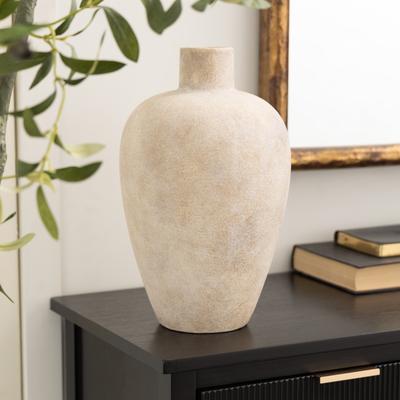
ARCILLA ELEMENTAL White Ceramic Handmade VaseDisplay in your foyer or dining table with fresh flowers or vase filler. This item ships in 1 carton. Due to the handmade nature of this item, no two will be alike, there will be slight differences in shape, size, and color.30,95 $*Shipping: 0,00 $Secure redirect to the provider
-
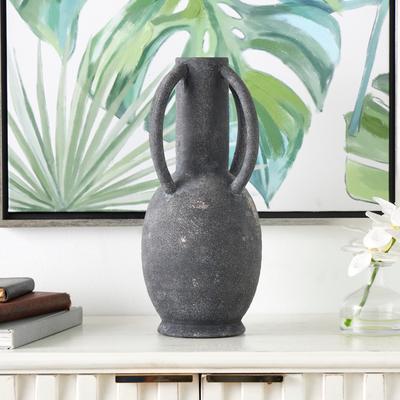
Arcilla Elemental - Dark Gray, Beige, Red, or Cream Ceramic Wide Decorative VaseDark gray, Beige, Red or Cream centerpiece vase is an ideal choice for introducing a touch of rustic elegance and sophistication to the decor of your living room.55,19 $*Shipping: 0,00 $Secure redirect to the provider


-
What are elemental artifacts?
Elemental artifacts are objects or items that are imbued with the power of the elements, such as earth, air, fire, or water. These artifacts are often associated with ancient myths and legends, and are said to possess great magical or mystical properties. They are believed to harness the elemental forces of nature and can be used for various purposes, such as protection, healing, or wielding great power. Throughout history, elemental artifacts have been sought after by adventurers, sorcerers, and seekers of ancient knowledge. **
-
Which spelling is correct: Yu-Gi-Oh! Elemental Hero or Elemental Hero?
The correct spelling is "Elemental Hero." "Yu-Gi-Oh!" is the name of the franchise, and "Elemental Hero" is the name of a specific type of card within the game. Therefore, the correct spelling is "Elemental Hero" when referring to the card type in the "Yu-Gi-Oh!" trading card game. **
-
Are all metals elemental substances?
No, not all metals are elemental substances. Metals are a type of element that is typically solid, shiny, and a good conductor of heat and electricity. However, some metals can form compounds with other elements, such as oxygen, sulfur, or carbon, resulting in metal oxides, sulfides, or carbides. These compounds are not considered elemental substances because they are made up of more than one type of element. **
-
Is copper an elemental substance?
Yes, copper is an elemental substance. It is a chemical element with the symbol Cu and atomic number 29. Copper is a metal that is known for its excellent electrical and thermal conductivity, making it a valuable material in various industries such as electronics and construction. **


How toxic is elemental chlorine?
Elemental chlorine is highly toxic and can be harmful if inhaled, ingested, or in contact with the skin or eyes. It is a strong irritant to the respiratory system and can cause coughing, chest tightness, and difficulty breathing. In high concentrations, it can cause severe lung damage and even death. Additionally, exposure to chlorine gas can also lead to skin and eye irritation, as well as damage to the gastrointestinal tract if ingested. Therefore, it is important to handle elemental chlorine with extreme caution and ensure proper safety measures are in place when working with it. **
Do living and non-living nature differ in terms of their elemental chemical composition?
Yes, living and non-living nature differ in terms of their elemental chemical composition. Living organisms are primarily composed of carbon, hydrogen, oxygen, nitrogen, phosphorus, and sulfur, which are essential for the formation of biological molecules such as proteins, nucleic acids, and carbohydrates. Non-living nature, on the other hand, can consist of a wide range of elements and compounds, including minerals, gases, and other substances that do not necessarily play a role in biological processes. While both living and non-living nature are composed of elements, the specific composition and organization of these elements differ between the two. **
Top-Angebote
Products related to ARCILLA-ELEMENTAL-Gray-Ceramic:
-
ARCILLA ELEMENTAL Gray Ceramic Vase with Varying PatternsDisplay this gray vase on floor corners as a centerpiece or add some dried bamboo decor for additional flavor. This item ships in 1 carton. Ideal complement to neutral-toned walls and natural-finished floors. Suitable for indoor use only.70,39 $*Shipping: 0,00 $Secure redirect to the provider
-
ARCILLA ELEMENTAL Gray Ceramic Mosaic Inspired Vase (Set of 2)These modern ceramic vases are perfect as a set decoration for living rooms with light-toned walls and pastel-finished table decors This vase is perfect for displaying orbs filler and twigs, as well as filling up any negative space against an open…26,49 $*Shipping: 0,00 $Secure redirect to the provider
-
ARCILLA ELEMENTAL White Ceramic Handmade VaseDisplay in your foyer or dining table with fresh flowers or vase filler. This item ships in 1 carton. Due to the handmade nature of this item, no two will be alike, there will be slight differences in shape, size, and color.30,95 $*Shipping: 0,00 $Secure redirect to the provider
-
Does it belong more to rhythm, melody, and harmony?
The concept of harmony is most closely related to the interaction of different notes and chords in music. Harmony refers to the simultaneous sounding of different pitches to create a pleasing sound. While rhythm and melody are also important elements in music, harmony specifically deals with the vertical aspect of music, focusing on how notes and chords interact with each other. Therefore, harmony belongs more to the realm of harmony itself. **
-
What is the difference between rhythm, melody, and harmony?
Rhythm refers to the pattern of sounds and silences in music, creating a sense of movement and pulse. Melody is the sequence of musical notes that are perceived as a single entity, often the most recognizable and memorable part of a song. Harmony involves the combination of different musical notes played or sung simultaneously, creating a pleasing sound. While rhythm provides the framework for the timing of music, melody is the main tune, and harmony adds depth and richness to the overall sound. **
-
What are elemental artifacts?
Elemental artifacts are objects or items that are imbued with the power of the elements, such as earth, air, fire, or water. These artifacts are often associated with ancient myths and legends, and are said to possess great magical or mystical properties. They are believed to harness the elemental forces of nature and can be used for various purposes, such as protection, healing, or wielding great power. Throughout history, elemental artifacts have been sought after by adventurers, sorcerers, and seekers of ancient knowledge. **
-
Which spelling is correct: Yu-Gi-Oh! Elemental Hero or Elemental Hero?
The correct spelling is "Elemental Hero." "Yu-Gi-Oh!" is the name of the franchise, and "Elemental Hero" is the name of a specific type of card within the game. Therefore, the correct spelling is "Elemental Hero" when referring to the card type in the "Yu-Gi-Oh!" trading card game. **
Similar search terms for ARCILLA-ELEMENTAL-Gray-Ceramic
-
Arcilla Elemental - Dark Gray, Beige, Red, or Cream Ceramic Wide Decorative VaseDark gray, Beige, Red or Cream centerpiece vase is an ideal choice for introducing a touch of rustic elegance and sophistication to the decor of your living room.55,19 $*Shipping: 0,00 $Secure redirect to the provider
-
ARCILLA ELEMENTAL Gray Ceramic Vase with Varying PatternsDisplay this gray vase on floor corners as a centerpiece or add some dried bamboo decor for additional flavor. This item ships in 1 carton. Ideal complement to neutral-toned walls and natural-finished floors. Suitable for indoor use only.57,99 $*Shipping: 0,00 $Secure redirect to the provider
-
Are all metals elemental substances?
No, not all metals are elemental substances. Metals are a type of element that is typically solid, shiny, and a good conductor of heat and electricity. However, some metals can form compounds with other elements, such as oxygen, sulfur, or carbon, resulting in metal oxides, sulfides, or carbides. These compounds are not considered elemental substances because they are made up of more than one type of element. **
-
Is copper an elemental substance?
Yes, copper is an elemental substance. It is a chemical element with the symbol Cu and atomic number 29. Copper is a metal that is known for its excellent electrical and thermal conductivity, making it a valuable material in various industries such as electronics and construction. **
-
How toxic is elemental chlorine?
Elemental chlorine is highly toxic and can be harmful if inhaled, ingested, or in contact with the skin or eyes. It is a strong irritant to the respiratory system and can cause coughing, chest tightness, and difficulty breathing. In high concentrations, it can cause severe lung damage and even death. Additionally, exposure to chlorine gas can also lead to skin and eye irritation, as well as damage to the gastrointestinal tract if ingested. Therefore, it is important to handle elemental chlorine with extreme caution and ensure proper safety measures are in place when working with it. **
-
Do living and non-living nature differ in terms of their elemental chemical composition?
Yes, living and non-living nature differ in terms of their elemental chemical composition. Living organisms are primarily composed of carbon, hydrogen, oxygen, nitrogen, phosphorus, and sulfur, which are essential for the formation of biological molecules such as proteins, nucleic acids, and carbohydrates. Non-living nature, on the other hand, can consist of a wide range of elements and compounds, including minerals, gases, and other substances that do not necessarily play a role in biological processes. While both living and non-living nature are composed of elements, the specific composition and organization of these elements differ between the two. **
* All prices are inclusive of VAT and, if applicable, plus shipping costs. The offer information is based on the details provided by the respective shop and is updated through automated processes. Real-time updates do not occur, so deviations can occur in individual cases. ** Note: Parts of this content were created by AI.