Buy mdmusic.eu ?
We are moving the project
mdmusic.eu .
Are you interested in purchasing the domain
mdmusic.eu ?
domain@kv-gmbh.de · 0541-91531010
Buy mdmusic.eu ?
Does it belong more to rhythm, melody, and harmony?
The concept of harmony is most closely related to the interaction of different notes and chords in music. Harmony refers to the simultaneous sounding of different pitches to create a pleasing sound. While rhythm and melody are also important elements in music, harmony specifically deals with the vertical aspect of music, focusing on how notes and chords interact with each other. Therefore, harmony belongs more to the realm of harmony itself. **
What is the difference between rhythm, melody, and harmony?
Rhythm refers to the pattern of sounds and silences in music, creating a sense of movement and pulse. Melody is the sequence of musical notes that are perceived as a single entity, often the most recognizable and memorable part of a song. Harmony involves the combination of different musical notes played or sung simultaneously, creating a pleasing sound. While rhythm provides the framework for the timing of music, melody is the main tune, and harmony adds depth and richness to the overall sound. **

Similar search terms for Chesapeake-Thicket-Charcoal-Forest
Top-Angebote
Products related to Chesapeake-Thicket-Charcoal-Forest:
-
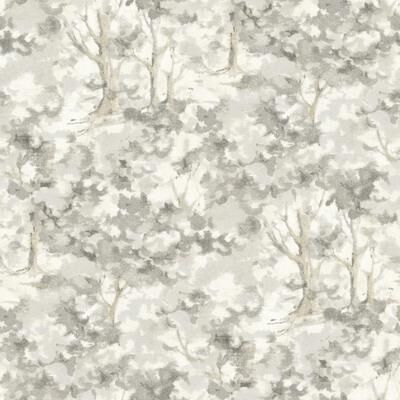
Chesapeake Walden Black Forest WallpaperClassically elegant with a modern twist, this toile wallpaper will elevate any space. Black and grey inks create a hand-painted forest scene featuring abstract trees on white paper. Walden is a prepasted, non woven blend wallpaper.73,99 $*Shipping: 0,00 $Secure redirect to the provider




-
What filters best, ash, charcoal, or activated charcoal?
Activated charcoal is the best filter among the three options. It has a larger surface area and more porous structure, allowing it to effectively trap and remove impurities from air and water. Ash and regular charcoal may also have some filtering properties, but they are not as effective as activated charcoal. Therefore, when it comes to filtering, activated charcoal is the superior choice. **
-
Who produces charcoal?
Charcoal is typically produced by burning wood in a low-oxygen environment, a process known as pyrolysis. This can be done on a small scale by individuals for personal use or on a larger scale by commercial operations. Charcoal is also produced as a byproduct of other industries, such as the production of steel or sugar. **
-
Is charcoal dangerous?
Charcoal itself is not inherently dangerous, but it can pose risks if not used properly. When burned, charcoal produces carbon monoxide, a colorless, odorless gas that can be harmful or even deadly if inhaled in high concentrations. Therefore, it is important to always use charcoal in a well-ventilated area to prevent the buildup of carbon monoxide. Additionally, ingesting charcoal can be dangerous and should be avoided. Overall, when used safely and responsibly, charcoal can be a useful and effective fuel source for cooking and heating. **
-
Is it possible to use charcoal instead of activated charcoal?
While charcoal and activated charcoal may look similar, they are not the same. Activated charcoal has been specially treated to increase its surface area and make it more porous, which enhances its ability to adsorb toxins and impurities. Regular charcoal, on the other hand, may not have the same adsorption capabilities. Therefore, it is not recommended to use regular charcoal as a substitute for activated charcoal in medical or purification applications. **


What is an improvising melody instrument and an accompanying rhythm group?
An improvising melody instrument is a musical instrument that is capable of playing improvised melodies, such as the saxophone, trumpet, or guitar. These instruments are able to create spontaneous and unique melodies during a musical performance. An accompanying rhythm group consists of instruments that provide the rhythmic foundation for the music, such as drums, bass, and keyboard. Together, the improvising melody instrument and the accompanying rhythm group work together to create a dynamic and cohesive musical experience, with the melody instrument taking the lead and the rhythm group providing the underlying groove and support. **
Where is charcoal produced?
Charcoal is produced through a process called pyrolysis, which involves heating wood, coconut shells, or other organic materials in the absence of oxygen. This process can be carried out in traditional kilns or modern industrial retorts. Charcoal production is commonly found in areas with abundant sources of wood or coconut shells, such as forests, plantations, or rural areas. **
Top-Angebote
Products related to Chesapeake-Thicket-Charcoal-Forest:
-
Chesapeake Walden Black Forest WallpaperClassically elegant with a modern twist, this toile wallpaper will elevate any space. Black and grey inks create a hand-painted forest scene featuring abstract trees on white paper. Walden is a prepasted, non woven blend wallpaper.73,99 $*Shipping: 0,00 $Secure redirect to the provider
-
Does it belong more to rhythm, melody, and harmony?
The concept of harmony is most closely related to the interaction of different notes and chords in music. Harmony refers to the simultaneous sounding of different pitches to create a pleasing sound. While rhythm and melody are also important elements in music, harmony specifically deals with the vertical aspect of music, focusing on how notes and chords interact with each other. Therefore, harmony belongs more to the realm of harmony itself. **
-
What is the difference between rhythm, melody, and harmony?
Rhythm refers to the pattern of sounds and silences in music, creating a sense of movement and pulse. Melody is the sequence of musical notes that are perceived as a single entity, often the most recognizable and memorable part of a song. Harmony involves the combination of different musical notes played or sung simultaneously, creating a pleasing sound. While rhythm provides the framework for the timing of music, melody is the main tune, and harmony adds depth and richness to the overall sound. **
-
What filters best, ash, charcoal, or activated charcoal?
Activated charcoal is the best filter among the three options. It has a larger surface area and more porous structure, allowing it to effectively trap and remove impurities from air and water. Ash and regular charcoal may also have some filtering properties, but they are not as effective as activated charcoal. Therefore, when it comes to filtering, activated charcoal is the superior choice. **
-
Who produces charcoal?
Charcoal is typically produced by burning wood in a low-oxygen environment, a process known as pyrolysis. This can be done on a small scale by individuals for personal use or on a larger scale by commercial operations. Charcoal is also produced as a byproduct of other industries, such as the production of steel or sugar. **
Similar search terms for Chesapeake-Thicket-Charcoal-Forest
-
Is charcoal dangerous?
Charcoal itself is not inherently dangerous, but it can pose risks if not used properly. When burned, charcoal produces carbon monoxide, a colorless, odorless gas that can be harmful or even deadly if inhaled in high concentrations. Therefore, it is important to always use charcoal in a well-ventilated area to prevent the buildup of carbon monoxide. Additionally, ingesting charcoal can be dangerous and should be avoided. Overall, when used safely and responsibly, charcoal can be a useful and effective fuel source for cooking and heating. **
-
Is it possible to use charcoal instead of activated charcoal?
While charcoal and activated charcoal may look similar, they are not the same. Activated charcoal has been specially treated to increase its surface area and make it more porous, which enhances its ability to adsorb toxins and impurities. Regular charcoal, on the other hand, may not have the same adsorption capabilities. Therefore, it is not recommended to use regular charcoal as a substitute for activated charcoal in medical or purification applications. **
-
What is an improvising melody instrument and an accompanying rhythm group?
An improvising melody instrument is a musical instrument that is capable of playing improvised melodies, such as the saxophone, trumpet, or guitar. These instruments are able to create spontaneous and unique melodies during a musical performance. An accompanying rhythm group consists of instruments that provide the rhythmic foundation for the music, such as drums, bass, and keyboard. Together, the improvising melody instrument and the accompanying rhythm group work together to create a dynamic and cohesive musical experience, with the melody instrument taking the lead and the rhythm group providing the underlying groove and support. **
-
Where is charcoal produced?
Charcoal is produced through a process called pyrolysis, which involves heating wood, coconut shells, or other organic materials in the absence of oxygen. This process can be carried out in traditional kilns or modern industrial retorts. Charcoal production is commonly found in areas with abundant sources of wood or coconut shells, such as forests, plantations, or rural areas. **
* All prices are inclusive of VAT and, if applicable, plus shipping costs. The offer information is based on the details provided by the respective shop and is updated through automated processes. Real-time updates do not occur, so deviations can occur in individual cases. ** Note: Parts of this content were created by AI.