Buy mdmusic.eu ?
We are moving the project
mdmusic.eu .
Are you interested in purchasing the domain
mdmusic.eu ?
domain@kv-gmbh.de · 0541-91531010
Buy mdmusic.eu ?
What is the difference between damping factor and damping mass?
Damping factor is a measure of how effectively a system can dissipate energy, and it is typically represented as a ratio of the actual damping in a system to the critical damping. Damping mass, on the other hand, refers to the mass that is used to dissipate energy in a system, such as in a vibration damping system. In other words, damping factor is a measure of the effectiveness of the damping in a system, while damping mass is the physical mass that is used to provide damping in a system. **
What examples can be given for sound insulation and sound damping?
Sound insulation can be achieved through the use of materials such as fiberglass, foam, or mineral wool, which can be installed in walls, floors, and ceilings to reduce the transmission of sound between different spaces. Sound damping can be achieved by using materials such as rubber pads or acoustic panels to absorb and dissipate sound energy, reducing reverberation and echo in a room. Additionally, double-glazed windows and heavy curtains can also provide sound insulation and damping by blocking and absorbing sound waves. **

Similar search terms for Damping
Top-Angebote
Products related to Damping:
-
Inspire Curations Colorful Sound Rhythm Smart LED Light Bar USB Gaming Room Ambient Lighting Colorful Sound Rhythm Smart LED Light Bar USB Gaming Room Ambient LightingTransform your space into an immersive visual experience with this smart LED light bar designed to move with your sound and mood. As music plays, colors pulse and flow in real time, instantly energizing your room. Perfect for gamers, streamers, and...54,95 $*Shipping: 0,00 $Secure redirect to the provider
-
Uplift Essentials Smart LED Symphony Sound Control Pickup Light RGB Music Rhythm Ambient Lamp With App Control Smart LED Symphony Sound Control Pickup Light RGB Music Rhythm Ambient Lamp With App ControlBring your entertainment to life with this smart LED symphony light that syncs effortlessly with your favorite music, games, and movies. Featuring highsensitivity sound pickup technology, vibrant RGB colors, and convenient app control, this ambient...41,97 $*Shipping: 0,00 $Secure redirect to the provider
-
Inspire Essentials RGB Music Rhythm Light Bar USB Rechargeable Sound Reactive LED Decoration 2 PcsTransform your space into a vibrant visual experience with this music rhythm light bar that syncs perfectly with your favorite songs. Designed with high sensitivity sound pickup, it reacts in real time to beats, voices, and ambient sounds, creating...47,48 $*Shipping: 0,00 $Secure redirect to the provider
-
Inspire Picks RGB Music Rhythm Light Bar USB Rechargeable Sound Reactive LED Lamp one HeadBring your music and entertainment setup to life with this RGB music rhythm light. Designed with intelligent sound detection, this sound reactive LED light responds to music, gaming audio, and voice by displaying vibrant lighting effects in real...36,75 $*Shipping: 0,00 $Secure redirect to the provider


-
Does it belong more to rhythm, melody, and harmony?
The concept of harmony is most closely related to the interaction of different notes and chords in music. Harmony refers to the simultaneous sounding of different pitches to create a pleasing sound. While rhythm and melody are also important elements in music, harmony specifically deals with the vertical aspect of music, focusing on how notes and chords interact with each other. Therefore, harmony belongs more to the realm of harmony itself. **
-
What is the difference between rhythm, melody, and harmony?
Rhythm refers to the pattern of sounds and silences in music, creating a sense of movement and pulse. Melody is the sequence of musical notes that are perceived as a single entity, often the most recognizable and memorable part of a song. Harmony involves the combination of different musical notes played or sung simultaneously, creating a pleasing sound. While rhythm provides the framework for the timing of music, melody is the main tune, and harmony adds depth and richness to the overall sound. **
-
What is the damping factor?
The damping factor is a parameter used in engineering and physics to describe the rate at which oscillations in a system decay over time. It is a measure of how quickly the system returns to equilibrium after being disturbed. A higher damping factor indicates faster decay of oscillations, leading to a quicker stabilization of the system. In contrast, a lower damping factor results in slower decay of oscillations, potentially leading to prolonged oscillations or even instability in the system. **
-
How do you calculate the damping factor?
The damping factor can be calculated by dividing the actual damping coefficient of a system by the critical damping coefficient. The critical damping coefficient is calculated by multiplying the mass of the system by the square root of the spring constant. Once you have both values, you can divide the actual damping coefficient by the critical damping coefficient to determine the damping factor of the system. A damping factor greater than 1 indicates an overdamped system, a factor of 1 represents critical damping, and a factor less than 1 signifies an underdamped system. **


What is an improvising melody instrument and an accompanying rhythm group?
An improvising melody instrument is a musical instrument that is capable of playing improvised melodies, such as the saxophone, trumpet, or guitar. These instruments are able to create spontaneous and unique melodies during a musical performance. An accompanying rhythm group consists of instruments that provide the rhythmic foundation for the music, such as drums, bass, and keyboard. Together, the improvising melody instrument and the accompanying rhythm group work together to create a dynamic and cohesive musical experience, with the melody instrument taking the lead and the rhythm group providing the underlying groove and support. **
When does the damping ratio apply to vibrations?
The damping ratio applies to vibrations when there is damping present in the system. Damping is a force that opposes the motion of the vibrating system, causing the amplitude of the vibrations to decrease over time. The damping ratio is a measure of how quickly the vibrations in the system decay. A higher damping ratio indicates faster decay of vibrations, while a lower damping ratio indicates slower decay. **
Top-Angebote
Products related to Damping:
-
Felt Right Harmony Sound Dampening Pinnable TilesEach Felt Right tile is made from high-density, engineered PET felt that has a warm, wool-like appearance but is also very durable and wear-resistant! Each of our ⅜” Felt Right tiles act as a sound barrier on your walls. The fibrous nature of the...92,77 $*Shipping: 0,00 $Secure redirect to the provider
-
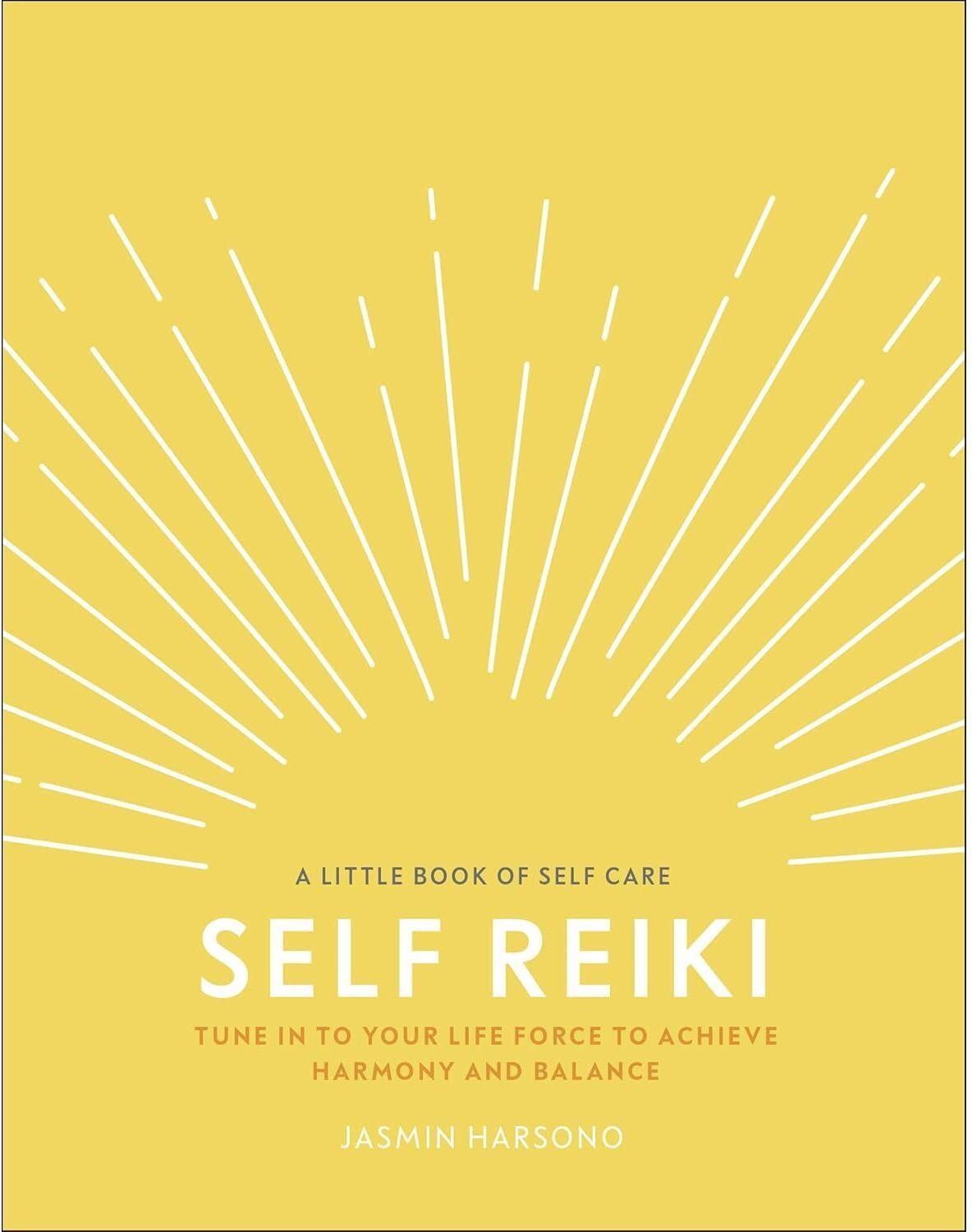
DK Self Reiki: Tune in to Your Life Force to Achieve Harmony and Balance by Jasmin HarsonoHarness the power of your own hands and make Reiki an indispensable part of your everyday self-care routine with this step-by-step guide to harmonising and healing. Heard of the term but don't know where to begin? No worries, DK has got you covered! A Reiki session produces a feeling of radiance and a sense of calm, peace, security and harmony of body and mind. It can also help to alleviate pain and treat stress and anxiety. The practice of Reiki is intuitive and involves tuning into internal energy by laying your hands on or close to targeted areas of the body to identify blockages, and using placement and pressure to encourage a healthy flow of life energy. Sound like something that can benefit you? Then this may be the book for you! This little self-care book will take you on a breathtaking journey of holistic healing, featuring: -A down-to-earth guide of over 40 step-by-step Reiki techniques to use at home -Detailed information written by a reliable expert in the field -Features practices, routines and exercised accompanied by easy-to-follow visual illustrations Dive deep into the pages of this brilliant massage book to explore meditation, mantra, visualisation, breathwork and more, all within a hands-on healing guide. Discover how to reset your anatomical pain maps, and connect to the universal energy that flows within your true self, all from the comfort and safety of your own home! Did you know that Reiki has been the subject of a number of scientific studies that have found evidence in support of Reiki as an effective self-therapy for reducing pain and anxiety. Fans of Reiki even include Cameron Diaz, Gwyneth Paltrow and Angelina Jolie! It's no secret that self-care is a vital tool for navigating the challenges of modern living. In a society where stress and anxiety mounts and self-esteem takes a dive, it can be challenging to know where to begin. Don't worry, DK has got you covered! Whether you're experiencing stress and anxiety in your work or personal life and you're seeking a wider range of self-care practices, or you wish to widen your knowledge and experience on healing techniques through meditation and mantras, this wonderful well-being book has something for everyone to discover. A must-have volume for those seeking to explore a wider range of self-care practices, whether you're interested in wellness trends and are open to trying new therapies, or you are experiencing painful muscles and joints and wish to remedy this via self-therapy. It's time to wake up to the true power of Reiki and enhance the quality of your life for the better.4,99 £*Shipping: 1,99 £Secure redirect to the provider
-
Inspire Curations Colorful Sound Rhythm Smart LED Light Bar USB Gaming Room Ambient Lighting Colorful Sound Rhythm Smart LED Light Bar USB Gaming Room Ambient LightingTransform your space into an immersive visual experience with this smart LED light bar designed to move with your sound and mood. As music plays, colors pulse and flow in real time, instantly energizing your room. Perfect for gamers, streamers, and...54,95 $*Shipping: 0,00 $Secure redirect to the provider
-
Uplift Essentials Smart LED Symphony Sound Control Pickup Light RGB Music Rhythm Ambient Lamp With App Control Smart LED Symphony Sound Control Pickup Light RGB Music Rhythm Ambient Lamp With App ControlBring your entertainment to life with this smart LED symphony light that syncs effortlessly with your favorite music, games, and movies. Featuring highsensitivity sound pickup technology, vibrant RGB colors, and convenient app control, this ambient...41,97 $*Shipping: 0,00 $Secure redirect to the provider
-
What is the difference between damping factor and damping mass?
Damping factor is a measure of how effectively a system can dissipate energy, and it is typically represented as a ratio of the actual damping in a system to the critical damping. Damping mass, on the other hand, refers to the mass that is used to dissipate energy in a system, such as in a vibration damping system. In other words, damping factor is a measure of the effectiveness of the damping in a system, while damping mass is the physical mass that is used to provide damping in a system. **
-
What examples can be given for sound insulation and sound damping?
Sound insulation can be achieved through the use of materials such as fiberglass, foam, or mineral wool, which can be installed in walls, floors, and ceilings to reduce the transmission of sound between different spaces. Sound damping can be achieved by using materials such as rubber pads or acoustic panels to absorb and dissipate sound energy, reducing reverberation and echo in a room. Additionally, double-glazed windows and heavy curtains can also provide sound insulation and damping by blocking and absorbing sound waves. **
-
Does it belong more to rhythm, melody, and harmony?
The concept of harmony is most closely related to the interaction of different notes and chords in music. Harmony refers to the simultaneous sounding of different pitches to create a pleasing sound. While rhythm and melody are also important elements in music, harmony specifically deals with the vertical aspect of music, focusing on how notes and chords interact with each other. Therefore, harmony belongs more to the realm of harmony itself. **
-
What is the difference between rhythm, melody, and harmony?
Rhythm refers to the pattern of sounds and silences in music, creating a sense of movement and pulse. Melody is the sequence of musical notes that are perceived as a single entity, often the most recognizable and memorable part of a song. Harmony involves the combination of different musical notes played or sung simultaneously, creating a pleasing sound. While rhythm provides the framework for the timing of music, melody is the main tune, and harmony adds depth and richness to the overall sound. **
Similar search terms for Damping
-
Inspire Essentials RGB Music Rhythm Light Bar USB Rechargeable Sound Reactive LED Decoration 2 PcsTransform your space into a vibrant visual experience with this music rhythm light bar that syncs perfectly with your favorite songs. Designed with high sensitivity sound pickup, it reacts in real time to beats, voices, and ambient sounds, creating...47,48 $*Shipping: 0,00 $Secure redirect to the provider
-
Inspire Picks RGB Music Rhythm Light Bar USB Rechargeable Sound Reactive LED Lamp one HeadBring your music and entertainment setup to life with this RGB music rhythm light. Designed with intelligent sound detection, this sound reactive LED light responds to music, gaming audio, and voice by displaying vibrant lighting effects in real...36,75 $*Shipping: 0,00 $Secure redirect to the provider
-
Useful Little Things RGB Music Rhythm Light Bar USB Rechargeable Sound Activated Desktop Ambient Lamp 1 HeadBring your music to life with this RGB Music Rhythm Light Bar, designed to react to sound and create vibrant lighting effects that move with the beat. Featuring a rechargeable USB design and multiple dynamic display modes, this sound activated LED...39,97 $*Shipping: 0,00 $Secure redirect to the provider
-
Useful Little Things RGB Pickup Music Rhythm Light USB Rechargeable Sound Activated LED Desktop Light Bar 1 HeadAdd dynamic lighting to your space with this RGB Pickup Music Rhythm Light, featuring a builtin sound pickup that reacts instantly to music, voices, and ambient audio. This sound activated LED light creates colorful visual effects that move with the...39,97 $*Shipping: 0,00 $Secure redirect to the provider
-
What is the damping factor?
The damping factor is a parameter used in engineering and physics to describe the rate at which oscillations in a system decay over time. It is a measure of how quickly the system returns to equilibrium after being disturbed. A higher damping factor indicates faster decay of oscillations, leading to a quicker stabilization of the system. In contrast, a lower damping factor results in slower decay of oscillations, potentially leading to prolonged oscillations or even instability in the system. **
-
How do you calculate the damping factor?
The damping factor can be calculated by dividing the actual damping coefficient of a system by the critical damping coefficient. The critical damping coefficient is calculated by multiplying the mass of the system by the square root of the spring constant. Once you have both values, you can divide the actual damping coefficient by the critical damping coefficient to determine the damping factor of the system. A damping factor greater than 1 indicates an overdamped system, a factor of 1 represents critical damping, and a factor less than 1 signifies an underdamped system. **
-
What is an improvising melody instrument and an accompanying rhythm group?
An improvising melody instrument is a musical instrument that is capable of playing improvised melodies, such as the saxophone, trumpet, or guitar. These instruments are able to create spontaneous and unique melodies during a musical performance. An accompanying rhythm group consists of instruments that provide the rhythmic foundation for the music, such as drums, bass, and keyboard. Together, the improvising melody instrument and the accompanying rhythm group work together to create a dynamic and cohesive musical experience, with the melody instrument taking the lead and the rhythm group providing the underlying groove and support. **
-
When does the damping ratio apply to vibrations?
The damping ratio applies to vibrations when there is damping present in the system. Damping is a force that opposes the motion of the vibrating system, causing the amplitude of the vibrations to decrease over time. The damping ratio is a measure of how quickly the vibrations in the system decay. A higher damping ratio indicates faster decay of vibrations, while a lower damping ratio indicates slower decay. **
* All prices are inclusive of VAT and, if applicable, plus shipping costs. The offer information is based on the details provided by the respective shop and is updated through automated processes. Real-time updates do not occur, so deviations can occur in individual cases. ** Note: Parts of this content were created by AI.