Buy mdmusic.eu ?
We are moving the project
mdmusic.eu .
Are you interested in purchasing the domain
mdmusic.eu ?
domain@kv-gmbh.de · 0541-91531010
Buy mdmusic.eu ?
When do we use du, de la, de l', and des?
We use "du" when referring to masculine singular nouns, "de la" when referring to feminine singular nouns, "de l'" when referring to singular nouns starting with a vowel or silent 'h', and "des" when referring to plural nouns. These articles are partitive articles used to indicate an unspecified quantity or part of something. For example, "du pain" (some bread), "de la salade" (some salad), "de l'eau" (some water), and "des fruits" (some fruits). **
When do you use du, de la, de l' and des?
You use "du" when referring to masculine singular nouns, "de la" when referring to feminine singular nouns, "de l'" when referring to singular nouns that start with a vowel or silent "h", and "des" when referring to plural nouns. These are partitive articles used to indicate an unspecified quantity or some of something. For example, "du pain" (some bread), "de la confiture" (some jam), "de l'eau" (some water), and "des fruits" (some fruits). **

Similar search terms for Hermes-L-Ombre-Des
Top-Angebote
Products related to Hermes-L-Ombre-Des:
-
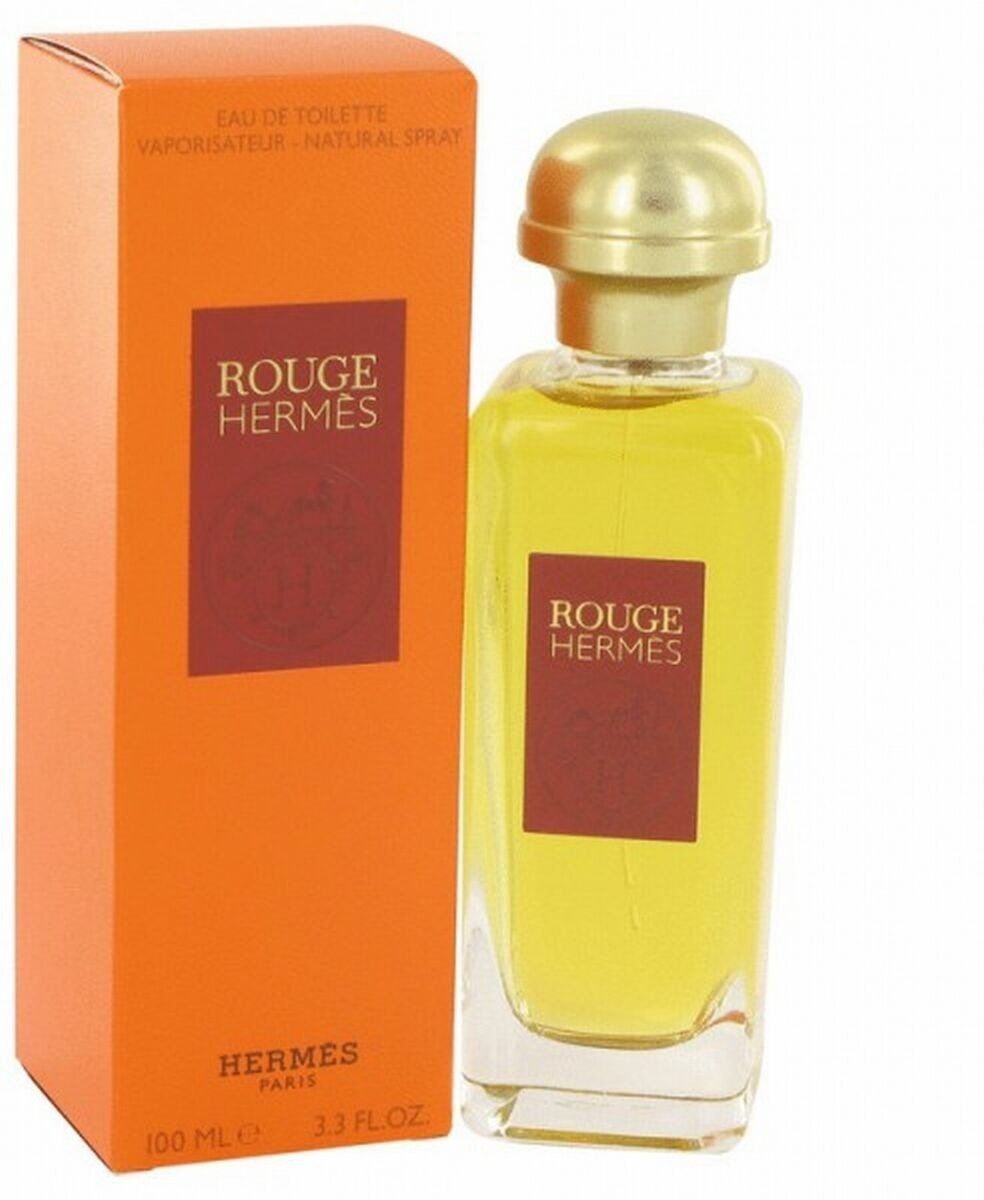
Hermes Rouge Hermes - 100ml Eau de Toilette SprayRouge Hermes by Hermes is a Chypre Floral fragrance for women. Rouge Hermes was launched in 2000. Top notes are Rose, Ylang-Ylang and Iris. Middle notes are Sandalwood, Amber, Vanilla and Cedar. Base notes are Spices and Myrtle.105,00 £*Shipping: 0,00 £Secure redirect to the provider
-
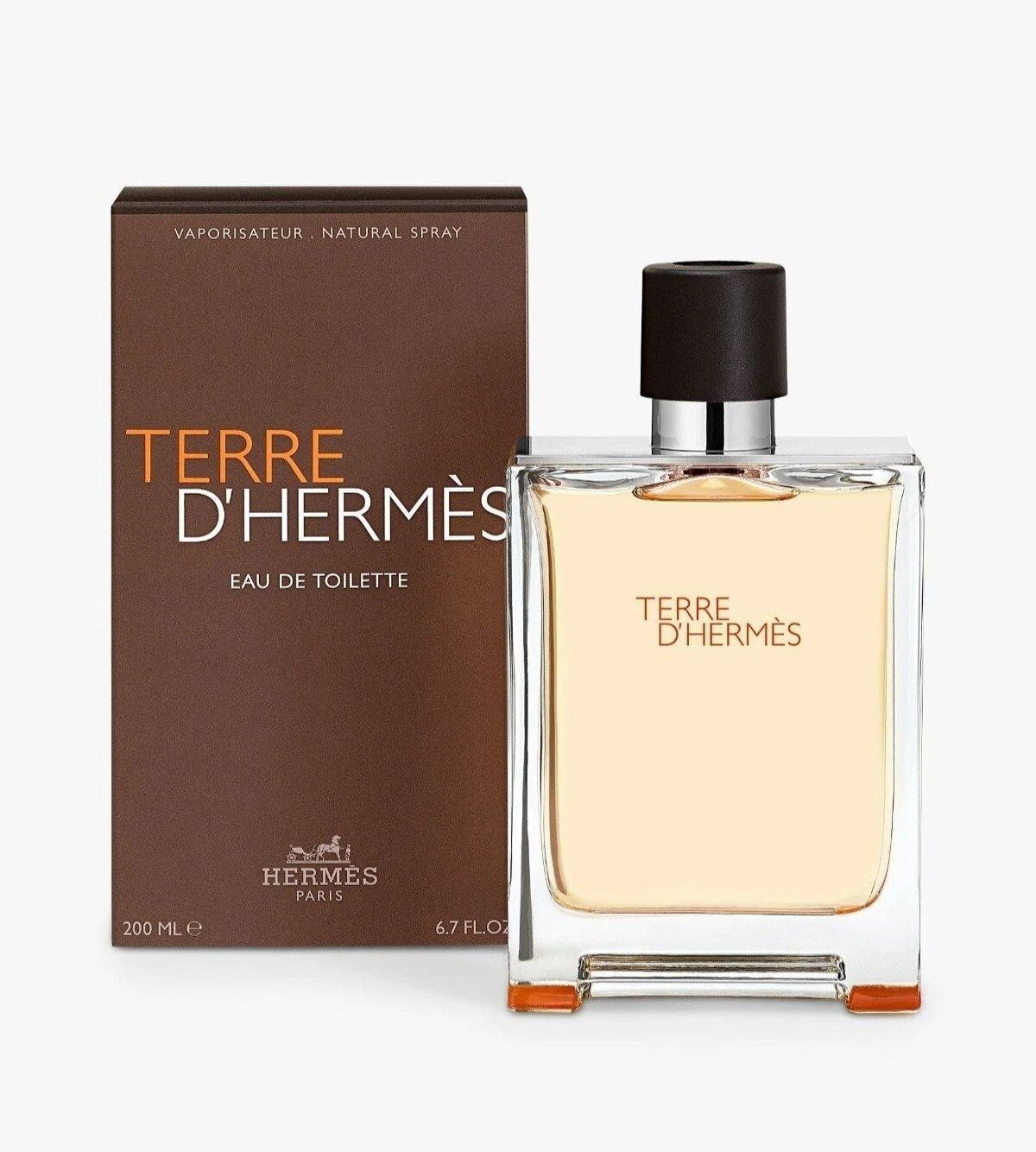
Hermes Terre d Hermes - 200ml Eau De Toilette SprayTerre d Hermes by Hermes is a Woody Spicy fragrance for men launched in 2006. Top notes are Orange and Grapefruit. Middle notes are Pepper, Pelargonium and Flint. Base notes are Vetiver, Cedar, Patchouli and Benzoin130,00 £*Shipping: 0,00 £Secure redirect to the provider
-
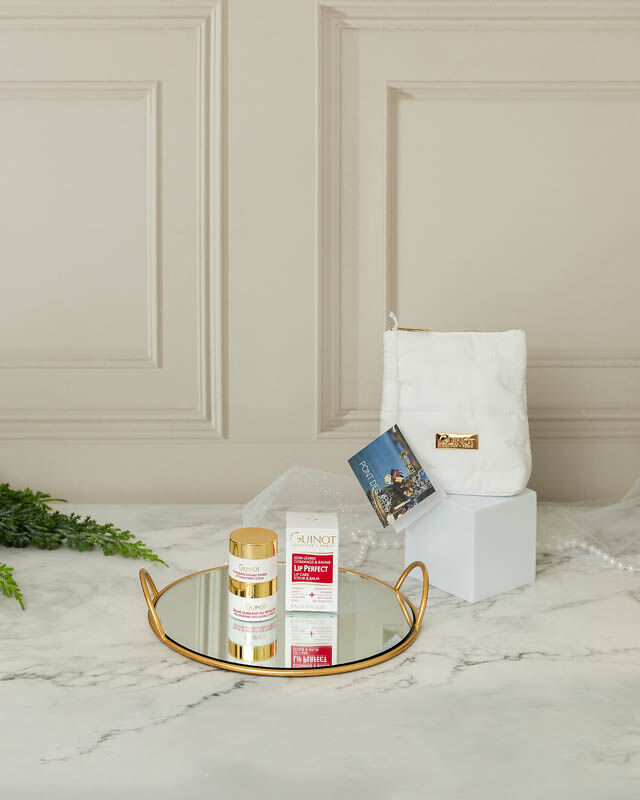
Guinot Pont Des ArtsGuinot Pont Des Arts is the ultimate lip recovery duo. This duo works to exfoliate and smooth your lips with a gentle scrub to eliminate dead skin, and an anti—ageing balm to nourish and regenerate, filling in fine lines and protecting your lips from dehydration.24,50 £*Shipping: 0,00 £Secure redirect to the provider
-
When do we use du, de la, de l', de and des in French?
In French, "du" is used before masculine singular nouns, "de la" is used before feminine singular nouns, "de l'" is used before singular nouns that begin with a vowel or silent "h", "de" is used before masculine or feminine singular nouns that are preceded by a specific quantity or expression of quantity, and "des" is used before plural nouns. These articles indicate the partitive or indefinite nature of the noun they precede, and they are used to express the idea of some, any, or a part of something. **
-
Does it belong more to rhythm, melody, and harmony?
The concept of harmony is most closely related to the interaction of different notes and chords in music. Harmony refers to the simultaneous sounding of different pitches to create a pleasing sound. While rhythm and melody are also important elements in music, harmony specifically deals with the vertical aspect of music, focusing on how notes and chords interact with each other. Therefore, harmony belongs more to the realm of harmony itself. **
-
What is the difference between rhythm, melody, and harmony?
Rhythm refers to the pattern of sounds and silences in music, creating a sense of movement and pulse. Melody is the sequence of musical notes that are perceived as a single entity, often the most recognizable and memorable part of a song. Harmony involves the combination of different musical notes played or sung simultaneously, creating a pleasing sound. While rhythm provides the framework for the timing of music, melody is the main tune, and harmony adds depth and richness to the overall sound. **
-
Is it "des August" or "des Augusts"?
The correct form is "des Augusts." In German, when indicating possession or association with a month, the genitive case is used. Therefore, when referring to something belonging to or associated with the month of August, it should be "des Augusts." **


Is it "des Indexes" or "des Index"?
The correct form is "des Indexes." In French, when a word ends in "x" and is masculine, the plural form is created by adding "es" to the end of the word. Therefore, "des Indexes" is the plural form of "des Index." **
Is it "des Betriebs" or "des Betriebes"?
Both "des Betriebs" and "des Betriebes" are correct in German. "Des Betriebs" is the more commonly used form, while "des Betriebes" is considered more formal and less frequently used in modern language. Both forms are genitive cases of the noun "Betrieb" and can be used interchangeably depending on the context and personal preference. **
Top-Angebote
Products related to Hermes-L-Ombre-Des:
-
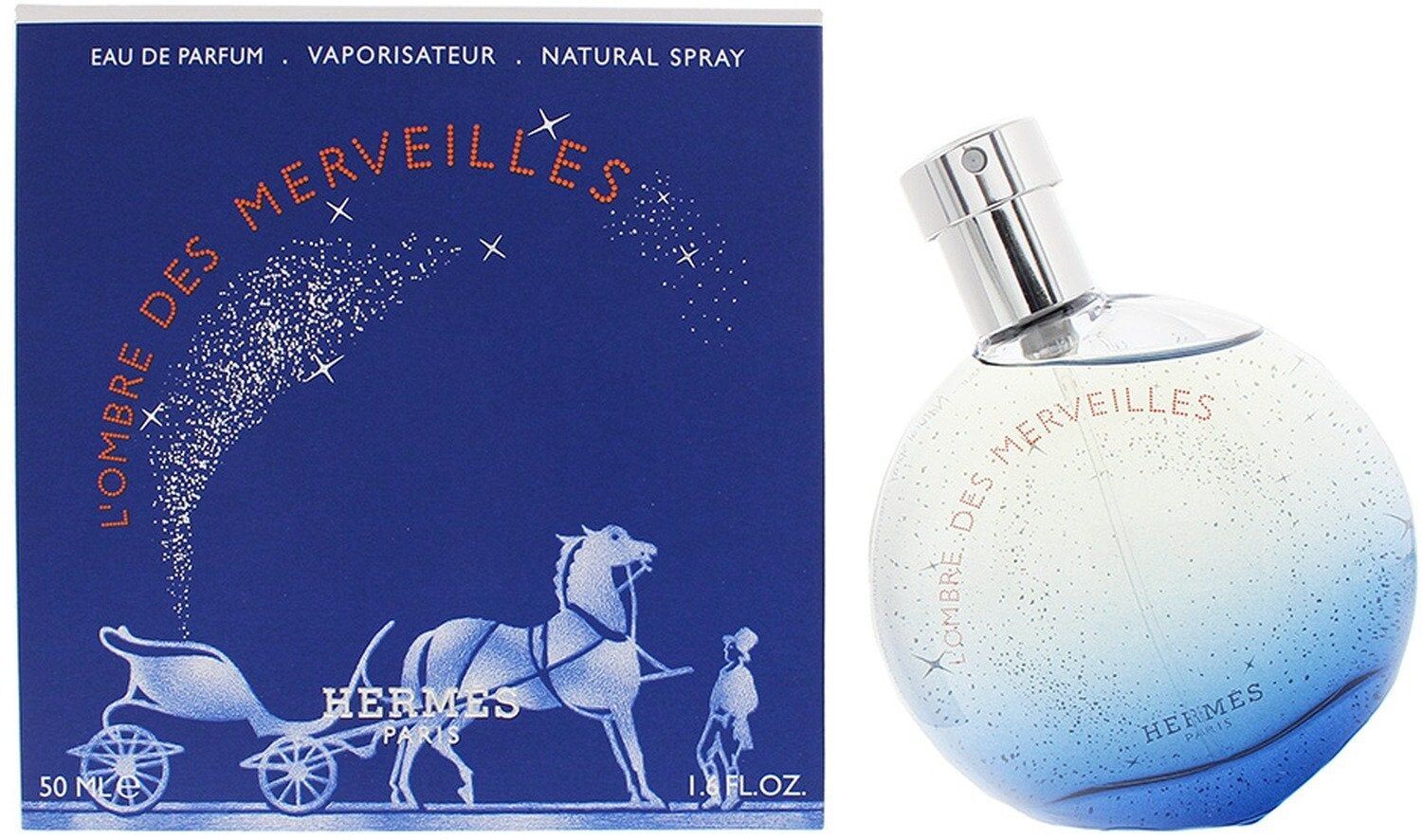
Hermes L'Ombre Des Merveilles - 50ml Eau de ParfumL'Ombre Des Merveilles by Hermes is a Oriental Woody fragrance for women and men. L'Ombre Des Merveilles was launched in 2020. Top note is Black Tea. Middle note is Incense. Base note is Tonka Bean.75,00 £*Shipping: 0,00 £Secure redirect to the provider
-
Hermes Elixir Des Merveilles Eau de Parfum Spray 100mlA warm and sensual fragrance that combines a top note of Candied Orange that mixes perfectly with a heart note of Benzoin to form the core of the fragrance, before finishing on a base note of Patchouli to ground the fragrance.140,00 £*Shipping: 0,00 £Secure redirect to the provider
-
Hermes Rouge Hermes - 100ml Eau de Toilette SprayRouge Hermes by Hermes is a Chypre Floral fragrance for women. Rouge Hermes was launched in 2000. Top notes are Rose, Ylang-Ylang and Iris. Middle notes are Sandalwood, Amber, Vanilla and Cedar. Base notes are Spices and Myrtle.105,00 £*Shipping: 0,00 £Secure redirect to the provider
-
Hermes Terre d Hermes - 200ml Eau De Toilette SprayTerre d Hermes by Hermes is a Woody Spicy fragrance for men launched in 2006. Top notes are Orange and Grapefruit. Middle notes are Pepper, Pelargonium and Flint. Base notes are Vetiver, Cedar, Patchouli and Benzoin130,00 £*Shipping: 0,00 £Secure redirect to the provider
-
When do we use du, de la, de l', and des?
We use "du" when referring to masculine singular nouns, "de la" when referring to feminine singular nouns, "de l'" when referring to singular nouns starting with a vowel or silent 'h', and "des" when referring to plural nouns. These articles are partitive articles used to indicate an unspecified quantity or part of something. For example, "du pain" (some bread), "de la salade" (some salad), "de l'eau" (some water), and "des fruits" (some fruits). **
-
When do you use du, de la, de l' and des?
You use "du" when referring to masculine singular nouns, "de la" when referring to feminine singular nouns, "de l'" when referring to singular nouns that start with a vowel or silent "h", and "des" when referring to plural nouns. These are partitive articles used to indicate an unspecified quantity or some of something. For example, "du pain" (some bread), "de la confiture" (some jam), "de l'eau" (some water), and "des fruits" (some fruits). **
-
When do we use du, de la, de l', de and des in French?
In French, "du" is used before masculine singular nouns, "de la" is used before feminine singular nouns, "de l'" is used before singular nouns that begin with a vowel or silent "h", "de" is used before masculine or feminine singular nouns that are preceded by a specific quantity or expression of quantity, and "des" is used before plural nouns. These articles indicate the partitive or indefinite nature of the noun they precede, and they are used to express the idea of some, any, or a part of something. **
-
Does it belong more to rhythm, melody, and harmony?
The concept of harmony is most closely related to the interaction of different notes and chords in music. Harmony refers to the simultaneous sounding of different pitches to create a pleasing sound. While rhythm and melody are also important elements in music, harmony specifically deals with the vertical aspect of music, focusing on how notes and chords interact with each other. Therefore, harmony belongs more to the realm of harmony itself. **
Similar search terms for Hermes-L-Ombre-Des
-
Guinot Pont Des ArtsGuinot Pont Des Arts is the ultimate lip recovery duo. This duo works to exfoliate and smooth your lips with a gentle scrub to eliminate dead skin, and an anti—ageing balm to nourish and regenerate, filling in fine lines and protecting your lips from dehydration.24,50 £*Shipping: 0,00 £Secure redirect to the provider
-
Hermes Terre d Hermes - 30ml Eau De Toilette Refillable SprayTerre d Hermes by Hermes is a Woody Spicy fragrance for men launched in 2006. Top notes are Orange and Grapefruit. Middle notes are Pepper, Pelargonium and Flint. Base notes are Vetiver, Cedar, Patchouli and Benzoin52,00 £*Shipping: 0,00 £Secure redirect to the provider
-
What is the difference between rhythm, melody, and harmony?
Rhythm refers to the pattern of sounds and silences in music, creating a sense of movement and pulse. Melody is the sequence of musical notes that are perceived as a single entity, often the most recognizable and memorable part of a song. Harmony involves the combination of different musical notes played or sung simultaneously, creating a pleasing sound. While rhythm provides the framework for the timing of music, melody is the main tune, and harmony adds depth and richness to the overall sound. **
-
Is it "des August" or "des Augusts"?
The correct form is "des Augusts." In German, when indicating possession or association with a month, the genitive case is used. Therefore, when referring to something belonging to or associated with the month of August, it should be "des Augusts." **
-
Is it "des Indexes" or "des Index"?
The correct form is "des Indexes." In French, when a word ends in "x" and is masculine, the plural form is created by adding "es" to the end of the word. Therefore, "des Indexes" is the plural form of "des Index." **
-
Is it "des Betriebs" or "des Betriebes"?
Both "des Betriebs" and "des Betriebes" are correct in German. "Des Betriebs" is the more commonly used form, while "des Betriebes" is considered more formal and less frequently used in modern language. Both forms are genitive cases of the noun "Betrieb" and can be used interchangeably depending on the context and personal preference. **
* All prices are inclusive of VAT and, if applicable, plus shipping costs. The offer information is based on the details provided by the respective shop and is updated through automated processes. Real-time updates do not occur, so deviations can occur in individual cases. ** Note: Parts of this content were created by AI.