Buy mdmusic.eu ?
We are moving the project
mdmusic.eu .
Are you interested in purchasing the domain
mdmusic.eu ?
domain@kv-gmbh.de · 0541-91531010
Buy mdmusic.eu ?
Does it belong more to rhythm, melody, and harmony?
The concept of harmony is most closely related to the interaction of different notes and chords in music. Harmony refers to the simultaneous sounding of different pitches to create a pleasing sound. While rhythm and melody are also important elements in music, harmony specifically deals with the vertical aspect of music, focusing on how notes and chords interact with each other. Therefore, harmony belongs more to the realm of harmony itself. **
What is the difference between rhythm, melody, and harmony?
Rhythm refers to the pattern of sounds and silences in music, creating a sense of movement and pulse. Melody is the sequence of musical notes that are perceived as a single entity, often the most recognizable and memorable part of a song. Harmony involves the combination of different musical notes played or sung simultaneously, creating a pleasing sound. While rhythm provides the framework for the timing of music, melody is the main tune, and harmony adds depth and richness to the overall sound. **
Similar search terms for Nearly-Natural-41-Boxwood
Top-Angebote
Products related to Nearly-Natural-41-Boxwood:
-
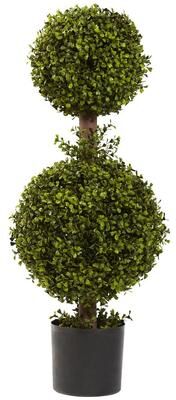
Nearly Natural 35-Inch Double Boxwood Topiary - GreenMan has been taking trimmers and clippers to Boxwoods for years. That's because this lovely shrub is one of nature's most hardy specimens, and does very well when shaped. This classic 'double ball' Topiary captures the elegance of curving foliage.108,63 $*Shipping: 0,00 $Secure redirect to the provider


-
Why doesn't the boxwood grow?
The boxwood may not be growing due to various reasons such as inadequate sunlight, poor soil quality, lack of nutrients, overwatering, or pests/diseases. Boxwoods require well-draining soil, sufficient sunlight, and regular watering to thrive. It is important to assess the growing conditions and address any issues to promote healthy growth in boxwood plants. **
-
What does our boxwood have?
Our boxwood has dense, evergreen foliage that provides year-round interest in the garden. It also has small, inconspicuous flowers that bloom in the spring. Additionally, our boxwood has a compact, rounded growth habit that makes it a versatile plant for use in hedges, borders, or as a specimen plant. **
-
Have you eaten boxwood leaves?
No, I have not eaten boxwood leaves. Boxwood leaves are not typically consumed as they can be toxic to humans and animals if ingested. It's important to be cautious with plants and ensure that they are safe for consumption before consuming them. If you have any concerns about a specific plant, it's best to consult with a knowledgeable source or expert before consuming it. **
-
Can the boxwood be pruned?
Yes, boxwood can be pruned. In fact, regular pruning is often necessary to maintain the desired shape and size of the plant. Boxwood can be pruned at any time of the year, but it is best to avoid heavy pruning during the hottest part of the summer. When pruning, it is important to use sharp, clean tools and to avoid cutting into old wood, as this can lead to unsightly bare patches. Overall, proper pruning can help promote healthy growth and maintain the appearance of the boxwood plant. **


What is a disease on boxwood?
Boxwood blight is a common disease that affects boxwood plants. It is caused by a fungus called Calonectria pseudonaviculata. Symptoms of boxwood blight include dark spots on leaves, black streaks on stems, and defoliation. This disease can spread quickly and is often difficult to control, making it important to promptly identify and treat infected plants. **
Where can one get European boxwood?
European boxwood can be found at nurseries, garden centers, and online plant retailers. It is a popular choice for hedges, topiaries, and formal gardens, so it is often readily available at places that specialize in these types of plants. Additionally, European boxwood can also be found at specialty plant sales, botanical gardens, and plant shows. **
Top-Angebote
Products related to Nearly-Natural-41-Boxwood:
-
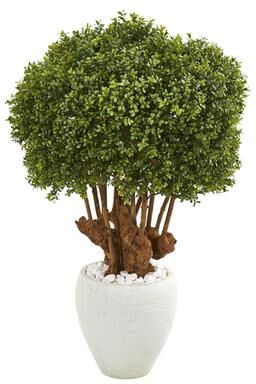
Nearly Natural "41"" Boxwood Artificial Topiary Tree in White Planter (Indoor/Outdoor)"Create a zen-like atmosphere with this artificial boxwood topiary tree composed of a single, perfectly manicured bush made up of authentic looking boxwood leaves.286,13 $*Shipping: 0,00 $Secure redirect to the provider
-
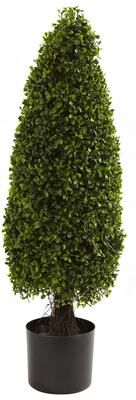
Nearly Natural 3-foot Boxwood Decorative Plant - GreenThe boxwood is a classic 'decorating hedge' with dense leaves, a unique shape, and a tower topiary shape. This decorative plant makes the perfect canvas for a talented horticulturist sporting a trimmer.88,98 $*Shipping: 0,00 $Secure redirect to the provider
-
Nearly Natural 35-Inch Double Boxwood Topiary - GreenMan has been taking trimmers and clippers to Boxwoods for years. That's because this lovely shrub is one of nature's most hardy specimens, and does very well when shaped. This classic 'double ball' Topiary captures the elegance of curving foliage.108,63 $*Shipping: 0,00 $Secure redirect to the provider
-
Does it belong more to rhythm, melody, and harmony?
The concept of harmony is most closely related to the interaction of different notes and chords in music. Harmony refers to the simultaneous sounding of different pitches to create a pleasing sound. While rhythm and melody are also important elements in music, harmony specifically deals with the vertical aspect of music, focusing on how notes and chords interact with each other. Therefore, harmony belongs more to the realm of harmony itself. **
-
What is the difference between rhythm, melody, and harmony?
Rhythm refers to the pattern of sounds and silences in music, creating a sense of movement and pulse. Melody is the sequence of musical notes that are perceived as a single entity, often the most recognizable and memorable part of a song. Harmony involves the combination of different musical notes played or sung simultaneously, creating a pleasing sound. While rhythm provides the framework for the timing of music, melody is the main tune, and harmony adds depth and richness to the overall sound. **
-
Why doesn't the boxwood grow?
The boxwood may not be growing due to various reasons such as inadequate sunlight, poor soil quality, lack of nutrients, overwatering, or pests/diseases. Boxwoods require well-draining soil, sufficient sunlight, and regular watering to thrive. It is important to assess the growing conditions and address any issues to promote healthy growth in boxwood plants. **
-
What does our boxwood have?
Our boxwood has dense, evergreen foliage that provides year-round interest in the garden. It also has small, inconspicuous flowers that bloom in the spring. Additionally, our boxwood has a compact, rounded growth habit that makes it a versatile plant for use in hedges, borders, or as a specimen plant. **
Similar search terms for Nearly-Natural-41-Boxwood
-
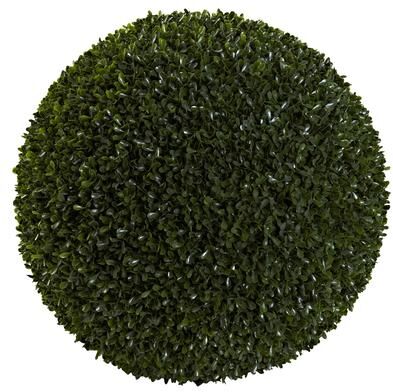
"Nearly Natural 15"" Boxwood Ball Preserved Plant in Planter - Green"Enhance even the smallest of spaces with this preserved plant showcasing a single ball, perfectly manicured and designed with realistic boxwood foliage in bright, vivid hues.139,49 $*Shipping: 0,00 $Secure redirect to the provider
-
Nearly Natural "3' Boxwood Triple Ball Artificial Topiary UV - 6"""Elegantly greet guests with this triple boxwood topiary. Three perfectly trimmed boxwood balls sit in synergy and are made of realistic-looking boxwood foliage. You can now enjoy the sophistication of the boxwood without maintenance or care.66,39 $*Shipping: 0,00 $Secure redirect to the provider
-
Have you eaten boxwood leaves?
No, I have not eaten boxwood leaves. Boxwood leaves are not typically consumed as they can be toxic to humans and animals if ingested. It's important to be cautious with plants and ensure that they are safe for consumption before consuming them. If you have any concerns about a specific plant, it's best to consult with a knowledgeable source or expert before consuming it. **
-
Can the boxwood be pruned?
Yes, boxwood can be pruned. In fact, regular pruning is often necessary to maintain the desired shape and size of the plant. Boxwood can be pruned at any time of the year, but it is best to avoid heavy pruning during the hottest part of the summer. When pruning, it is important to use sharp, clean tools and to avoid cutting into old wood, as this can lead to unsightly bare patches. Overall, proper pruning can help promote healthy growth and maintain the appearance of the boxwood plant. **
-
What is a disease on boxwood?
Boxwood blight is a common disease that affects boxwood plants. It is caused by a fungus called Calonectria pseudonaviculata. Symptoms of boxwood blight include dark spots on leaves, black streaks on stems, and defoliation. This disease can spread quickly and is often difficult to control, making it important to promptly identify and treat infected plants. **
-
Where can one get European boxwood?
European boxwood can be found at nurseries, garden centers, and online plant retailers. It is a popular choice for hedges, topiaries, and formal gardens, so it is often readily available at places that specialize in these types of plants. Additionally, European boxwood can also be found at specialty plant sales, botanical gardens, and plant shows. **
* All prices are inclusive of VAT and, if applicable, plus shipping costs. The offer information is based on the details provided by the respective shop and is updated through automated processes. Real-time updates do not occur, so deviations can occur in individual cases. ** Note: Parts of this content were created by AI.