Buy mdmusic.eu ?
We are moving the project
mdmusic.eu .
Are you interested in purchasing the domain
mdmusic.eu ?
domain@kv-gmbh.de · 0541-91531010
Buy mdmusic.eu ?
Does it belong more to rhythm, melody, and harmony?
The concept of harmony is most closely related to the interaction of different notes and chords in music. Harmony refers to the simultaneous sounding of different pitches to create a pleasing sound. While rhythm and melody are also important elements in music, harmony specifically deals with the vertical aspect of music, focusing on how notes and chords interact with each other. Therefore, harmony belongs more to the realm of harmony itself. **
What is the difference between rhythm, melody, and harmony?
Rhythm refers to the pattern of sounds and silences in music, creating a sense of movement and pulse. Melody is the sequence of musical notes that are perceived as a single entity, often the most recognizable and memorable part of a song. Harmony involves the combination of different musical notes played or sung simultaneously, creating a pleasing sound. While rhythm provides the framework for the timing of music, melody is the main tune, and harmony adds depth and richness to the overall sound. **


Similar search terms for Nourison-Rhythm-RST80-Area
Top-Angebote
Products related to Nourison-Rhythm-RST80-Area:
-
Strick & Bolton Mid-century Abstract Rhythm Area RugAccent your modern space with the eye-catching Ilmara area rug from Strick & Bolton. Made of polypropylene, the plush pile is patterned with an abstract design in shades of blue and ivory. Pick from three sizes to fit any room.355,89 $*Shipping: 0,00 $Secure redirect to the provider
-
Alise Rugs Rhythm Transitional Geometric Indoor Area RugThis contemporary area rug is a handsome combination of intriguing design and engaging possibility. The textured pattern combines tones of antique ivory, buff beige, burnished gold, cinnamon, deep sage, steel blue, sable brown, and sangria red.73,99 $*Shipping: 0,00 $Secure redirect to the provider
-
Alise Rugs Rhythm Transitional Abstract Indoor Area RugAsperous tiled hues and circular motifs combine to create a lively area rug that translates to any decorating style. In shades of red, grayish blue, beige, brown and terra. Made of easy to clean polypropylene.79,99 $*Shipping: 0,00 $Secure redirect to the provider
-
Veer Decor Geo Rhythm WallpaperEnter a world of modern shape and texture where clean lines and geometric forms create a sense of movement and harmony. The subtle embossed texture enhances the tactile experience, giving the design a rich, dimensional feel.149,99 $*Shipping: 0,00 $Secure redirect to the provider



-
What is an improvising melody instrument and an accompanying rhythm group?
An improvising melody instrument is a musical instrument that is capable of playing improvised melodies, such as the saxophone, trumpet, or guitar. These instruments are able to create spontaneous and unique melodies during a musical performance. An accompanying rhythm group consists of instruments that provide the rhythmic foundation for the music, such as drums, bass, and keyboard. Together, the improvising melody instrument and the accompanying rhythm group work together to create a dynamic and cohesive musical experience, with the melody instrument taking the lead and the rhythm group providing the underlying groove and support. **
-
How are arrangement and rhythm in the hairdressing area?
In the hairdressing area, arrangement and rhythm are essential for creating a smooth and efficient workflow. The arrangement of tools, products, and equipment should be organized in a way that is easily accessible and promotes a sense of order. Additionally, the rhythm of the hairdressing area is important for maintaining a steady pace and ensuring that clients are attended to in a timely manner. This can be achieved through clear communication, coordination among staff, and a well-planned schedule. Overall, a well-arranged and rhythmic hairdressing area contributes to a positive experience for both clients and stylists. **
-
How can one describe the rhythm and melody?
Rhythm refers to the pattern of sounds and silences in music, created by the arrangement of notes and beats. It is the element that gives music its sense of movement and flow. Melody, on the other hand, is the sequence of notes that are perceived as a single entity. It is the part of the music that is most easily remembered and sung. Together, rhythm and melody work in harmony to create the overall structure and feel of a musical piece. **
-
Does practicing melody and rhythm dictation actually help?
Yes, practicing melody and rhythm dictation can be very beneficial for musicians. It helps to improve ear training skills, allowing musicians to better recognize and reproduce musical patterns. This can enhance overall musicality, improvisation skills, and the ability to learn music by ear. Regular practice of melody and rhythm dictation can also improve a musician's ability to compose and arrange music. **

What is the difference between rhythm and melody?
Rhythm refers to the pattern of beats or time signature in music, creating a sense of movement and pulse. It is the framework that organizes the music and gives it a sense of structure. Melody, on the other hand, refers to the sequence of notes that are perceived as a single entity, creating a recognizable and memorable tune. It is the part of the music that is most easily sung or hummed and is often the most prominent and memorable aspect of a song. While rhythm provides the foundation and groove of the music, melody is the part that captures the listener's attention and creates a sense of emotion and expression. **
Is rhythm or melody more important to you?
As an AI language model, I don't have personal preferences, but I can provide an analysis. Both rhythm and melody are essential elements of music, and their importance can vary depending on the context and individual preferences. Rhythm provides the foundation and drive of a musical piece, while melody adds the emotional and expressive aspect. Some people may prioritize rhythm for its ability to make them move and feel the beat, while others may value melody for its ability to evoke emotions and create a memorable tune. Ultimately, the importance of rhythm or melody is subjective and can vary from person to person. **
Top-Angebote
Products related to Nourison-Rhythm-RST80-Area:
-
Alise Rugs Rhythm Traditional Oriental Indoor Area RugThis best selling, charming area rug features a classic pattern in rich tones of antique ivory, buff beige, burnished gold, cinnamon, deep sage, steel blue, sable brown, and sangria red.115,99 $*Shipping: 0,00 $Secure redirect to the provider
-
Strick & Bolton Mid-century Abstract Rhythm Area RugAccent your modern space with the eye-catching Ilmara area rug from Strick & Bolton. Made of polypropylene, the plush pile is patterned with an abstract design in shades of blue and ivory. Pick from three sizes to fit any room.355,89 $*Shipping: 0,00 $Secure redirect to the provider
-
Alise Rugs Rhythm Transitional Geometric Indoor Area RugThis contemporary area rug is a handsome combination of intriguing design and engaging possibility. The textured pattern combines tones of antique ivory, buff beige, burnished gold, cinnamon, deep sage, steel blue, sable brown, and sangria red.73,99 $*Shipping: 0,00 $Secure redirect to the provider
-
Does it belong more to rhythm, melody, and harmony?
The concept of harmony is most closely related to the interaction of different notes and chords in music. Harmony refers to the simultaneous sounding of different pitches to create a pleasing sound. While rhythm and melody are also important elements in music, harmony specifically deals with the vertical aspect of music, focusing on how notes and chords interact with each other. Therefore, harmony belongs more to the realm of harmony itself. **
-
What is the difference between rhythm, melody, and harmony?
Rhythm refers to the pattern of sounds and silences in music, creating a sense of movement and pulse. Melody is the sequence of musical notes that are perceived as a single entity, often the most recognizable and memorable part of a song. Harmony involves the combination of different musical notes played or sung simultaneously, creating a pleasing sound. While rhythm provides the framework for the timing of music, melody is the main tune, and harmony adds depth and richness to the overall sound. **
-
What is an improvising melody instrument and an accompanying rhythm group?
An improvising melody instrument is a musical instrument that is capable of playing improvised melodies, such as the saxophone, trumpet, or guitar. These instruments are able to create spontaneous and unique melodies during a musical performance. An accompanying rhythm group consists of instruments that provide the rhythmic foundation for the music, such as drums, bass, and keyboard. Together, the improvising melody instrument and the accompanying rhythm group work together to create a dynamic and cohesive musical experience, with the melody instrument taking the lead and the rhythm group providing the underlying groove and support. **
-
How are arrangement and rhythm in the hairdressing area?
In the hairdressing area, arrangement and rhythm are essential for creating a smooth and efficient workflow. The arrangement of tools, products, and equipment should be organized in a way that is easily accessible and promotes a sense of order. Additionally, the rhythm of the hairdressing area is important for maintaining a steady pace and ensuring that clients are attended to in a timely manner. This can be achieved through clear communication, coordination among staff, and a well-planned schedule. Overall, a well-arranged and rhythmic hairdressing area contributes to a positive experience for both clients and stylists. **
Similar search terms for Nourison-Rhythm-RST80-Area
-
Alise Rugs Rhythm Transitional Abstract Indoor Area RugAsperous tiled hues and circular motifs combine to create a lively area rug that translates to any decorating style. In shades of red, grayish blue, beige, brown and terra. Made of easy to clean polypropylene.79,99 $*Shipping: 0,00 $Secure redirect to the provider
-
Veer Decor Geo Rhythm WallpaperEnter a world of modern shape and texture where clean lines and geometric forms create a sense of movement and harmony. The subtle embossed texture enhances the tactile experience, giving the design a rich, dimensional feel.149,99 $*Shipping: 0,00 $Secure redirect to the provider
-
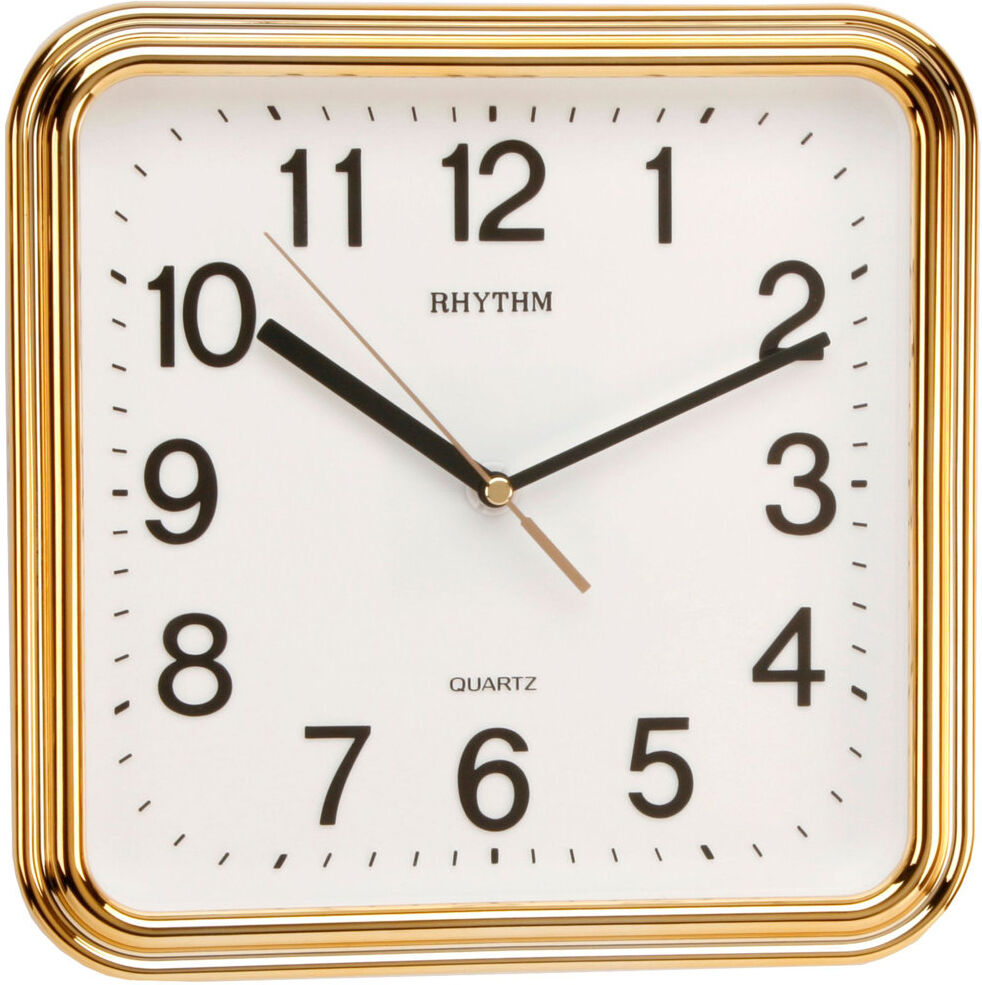
Rhythm Clocks Wall Clock Gold LargeA beautiful golden cased square wall clock featuring Rhythm's signature silent silky sweep movement. The clock features an ultra-precise quartz movement that will keep perfect time for a lifetime. It also features a white face, 3D black Arabic numerals, straight black hands and a golden sweeping second hand. Requires 1 x AA battery and is simply hung from a single hook. Rhythm Clocks Colour: Gold, Size: Large49,59 £*Shipping: 4,99 £Secure redirect to the provider
-
How can one describe the rhythm and melody?
Rhythm refers to the pattern of sounds and silences in music, created by the arrangement of notes and beats. It is the element that gives music its sense of movement and flow. Melody, on the other hand, is the sequence of notes that are perceived as a single entity. It is the part of the music that is most easily remembered and sung. Together, rhythm and melody work in harmony to create the overall structure and feel of a musical piece. **
-
Does practicing melody and rhythm dictation actually help?
Yes, practicing melody and rhythm dictation can be very beneficial for musicians. It helps to improve ear training skills, allowing musicians to better recognize and reproduce musical patterns. This can enhance overall musicality, improvisation skills, and the ability to learn music by ear. Regular practice of melody and rhythm dictation can also improve a musician's ability to compose and arrange music. **
-
What is the difference between rhythm and melody?
Rhythm refers to the pattern of beats or time signature in music, creating a sense of movement and pulse. It is the framework that organizes the music and gives it a sense of structure. Melody, on the other hand, refers to the sequence of notes that are perceived as a single entity, creating a recognizable and memorable tune. It is the part of the music that is most easily sung or hummed and is often the most prominent and memorable aspect of a song. While rhythm provides the foundation and groove of the music, melody is the part that captures the listener's attention and creates a sense of emotion and expression. **
-
Is rhythm or melody more important to you?
As an AI language model, I don't have personal preferences, but I can provide an analysis. Both rhythm and melody are essential elements of music, and their importance can vary depending on the context and individual preferences. Rhythm provides the foundation and drive of a musical piece, while melody adds the emotional and expressive aspect. Some people may prioritize rhythm for its ability to make them move and feel the beat, while others may value melody for its ability to evoke emotions and create a memorable tune. Ultimately, the importance of rhythm or melody is subjective and can vary from person to person. **
* All prices are inclusive of VAT and, if applicable, plus shipping costs. The offer information is based on the details provided by the respective shop and is updated through automated processes. Real-time updates do not occur, so deviations can occur in individual cases. ** Note: Parts of this content were created by AI.