Buy mdmusic.eu ?
We are moving the project
mdmusic.eu .
Are you interested in purchasing the domain
mdmusic.eu ?
domain@kv-gmbh.de · 0541-91531010
Buy mdmusic.eu ?
How do non-homologous recombination and homologous recombination work?
Non-homologous recombination involves the joining of two DNA molecules at non-homologous sequences, resulting in the insertion, deletion, or rearrangement of genetic material. This process is often error-prone and can lead to mutations. Homologous recombination, on the other hand, involves the exchange of genetic material between two similar DNA molecules, typically occurring during meiosis. This process is important for repairing DNA damage and ensuring genetic diversity. It involves the exchange of genetic material between homologous chromosomes, resulting in the formation of new combinations of genes. **
What is the difference between interchromosomal recombination and intrachromosomal recombination?
Interchromosomal recombination involves the exchange of genetic material between two different chromosomes, while intrachromosomal recombination involves the exchange of genetic material within the same chromosome. Interchromosomal recombination can result in the creation of new combinations of genes from different chromosomes, leading to genetic diversity. In contrast, intrachromosomal recombination can lead to the repair of DNA damage or the creation of genetic variation within the same chromosome. Both processes are important for genetic diversity and evolution. **


Similar search terms for Recombination
Top-Angebote
Products related to Recombination:
-
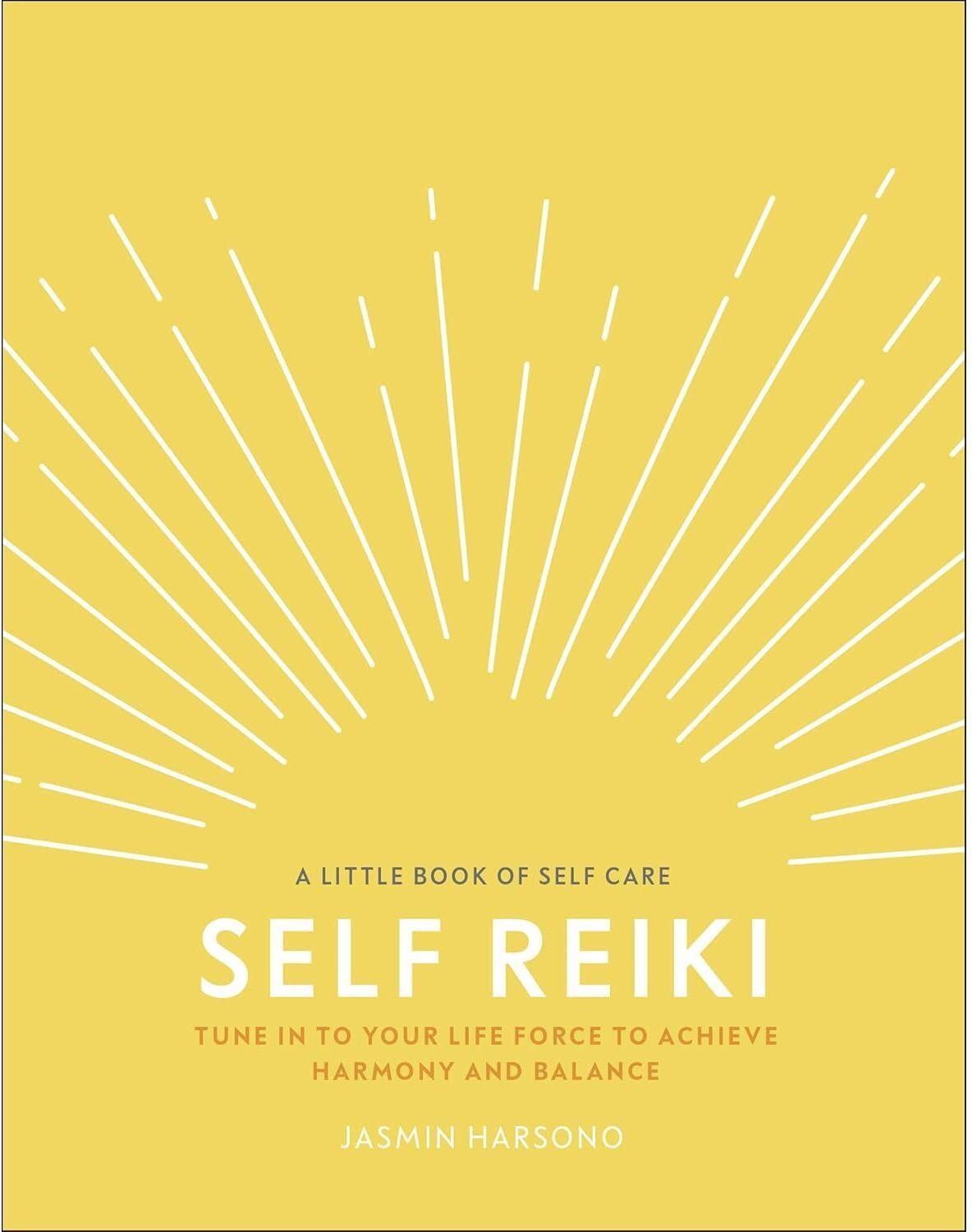
DK Self Reiki: Tune in to Your Life Force to Achieve Harmony and Balance by Jasmin HarsonoHarness the power of your own hands and make Reiki an indispensable part of your everyday self-care routine with this step-by-step guide to harmonising and healing. Heard of the term but don't know where to begin? No worries, DK has got you covered! A Reiki session produces a feeling of radiance and a sense of calm, peace, security and harmony of body and mind. It can also help to alleviate pain and treat stress and anxiety. The practice of Reiki is intuitive and involves tuning into internal energy by laying your hands on or close to targeted areas of the body to identify blockages, and using placement and pressure to encourage a healthy flow of life energy. Sound like something that can benefit you? Then this may be the book for you! This little self-care book will take you on a breathtaking journey of holistic healing, featuring: -A down-to-earth guide of over 40 step-by-step Reiki techniques to use at home -Detailed information written by a reliable expert in the field -Features practices, routines and exercised accompanied by easy-to-follow visual illustrations Dive deep into the pages of this brilliant massage book to explore meditation, mantra, visualisation, breathwork and more, all within a hands-on healing guide. Discover how to reset your anatomical pain maps, and connect to the universal energy that flows within your true self, all from the comfort and safety of your own home! Did you know that Reiki has been the subject of a number of scientific studies that have found evidence in support of Reiki as an effective self-therapy for reducing pain and anxiety. Fans of Reiki even include Cameron Diaz, Gwyneth Paltrow and Angelina Jolie! It's no secret that self-care is a vital tool for navigating the challenges of modern living. In a society where stress and anxiety mounts and self-esteem takes a dive, it can be challenging to know where to begin. Don't worry, DK has got you covered! Whether you're experiencing stress and anxiety in your work or personal life and you're seeking a wider range of self-care practices, or you wish to widen your knowledge and experience on healing techniques through meditation and mantras, this wonderful well-being book has something for everyone to discover. A must-have volume for those seeking to explore a wider range of self-care practices, whether you're interested in wellness trends and are open to trying new therapies, or you are experiencing painful muscles and joints and wish to remedy this via self-therapy. It's time to wake up to the true power of Reiki and enhance the quality of your life for the better.4,99 £*Shipping: 1,99 £Secure redirect to the provider
-
Stokke Beat Stroller - Jayson AtienzaJayson Atienza Limited Edition: Staged on a sleek, modern, black chassis and seat, your Stokke? Beat? Limited Edition, with its one of a kind canopy, will be catching eyes with signature design by globally renowned artist, Jayson Atienza. Stokke?...389,99 $*Shipping: 0,00 $Secure redirect to the provider
-
Stokke Beat Carry Cot - BlackThe Stokke? Beat? Carry Cot is compact for easy transport, yet spacious enough for your newborn to enjoy a soft, smooth ride. Protective and practical, it gives your baby a comfortable place to rest and sleep during all of your city adventures....164,25 $*Shipping: 0,00 $Secure redirect to the provider



-
What is the difference between intrachromosomal recombination and interchromosomal recombination?
Intrachromosomal recombination occurs between two different regions of the same chromosome, leading to the exchange of genetic material within the same chromosome. On the other hand, interchromosomal recombination involves the exchange of genetic material between two different chromosomes. Intrachromosomal recombination can lead to the creation of genetic diversity within a single chromosome, while interchromosomal recombination can result in the exchange of genetic material between different chromosomes, leading to genetic diversity among different chromosomes. **
-
Does it belong more to rhythm, melody, and harmony?
The concept of harmony is most closely related to the interaction of different notes and chords in music. Harmony refers to the simultaneous sounding of different pitches to create a pleasing sound. While rhythm and melody are also important elements in music, harmony specifically deals with the vertical aspect of music, focusing on how notes and chords interact with each other. Therefore, harmony belongs more to the realm of harmony itself. **
-
What is the difference between rhythm, melody, and harmony?
Rhythm refers to the pattern of sounds and silences in music, creating a sense of movement and pulse. Melody is the sequence of musical notes that are perceived as a single entity, often the most recognizable and memorable part of a song. Harmony involves the combination of different musical notes played or sung simultaneously, creating a pleasing sound. While rhythm provides the framework for the timing of music, melody is the main tune, and harmony adds depth and richness to the overall sound. **
-
What is recombination in biology?
Recombination in biology refers to the process by which genetic material from two different sources is combined to produce a new combination of genes. This can occur through sexual reproduction, where genetic material from two parents is combined to create offspring with a unique genetic makeup. Recombination plays a crucial role in generating genetic diversity within populations, which is important for evolution and adaptation to changing environments. In organisms that reproduce sexually, recombination occurs during meiosis, where homologous chromosomes exchange genetic material through a process called crossing over. **


How does crossing-over influence recombination?
Crossing-over is a process during meiosis where homologous chromosomes exchange genetic material. This exchange of genetic material results in new combinations of alleles on the chromosomes, leading to genetic recombination. By shuffling genetic material between homologous chromosomes, crossing-over increases genetic diversity in offspring and can result in the creation of new combinations of traits. This process is essential for generating genetic variation within a population and plays a crucial role in evolution. **
What is recombination and genetic variability?
Recombination is the process by which genetic material is exchanged between two similar molecules of DNA, resulting in new combinations of genes. This process occurs during meiosis, the cell division that produces gametes (sperm and egg cells). Genetic variability refers to the diversity of genetic material within a population, which is influenced by factors such as recombination, mutations, and gene flow. Recombination plays a key role in generating genetic variability by creating new combinations of genes, which can lead to increased diversity and adaptation within a population. **
Top-Angebote
Products related to Recombination:
-
Felt Right Harmony Sound Dampening Pinnable TilesEach Felt Right tile is made from high-density, engineered PET felt that has a warm, wool-like appearance but is also very durable and wear-resistant! Each of our ⅜” Felt Right tiles act as a sound barrier on your walls. The fibrous nature of the...92,77 $*Shipping: 0,00 $Secure redirect to the provider
-
Janod Sound Telephone activity toy with melody 18m+ 1 pcJanod Sound Telephone, 1 pc, Interactive toys For Kids, Children need as many different stimuli as possible to develop properly. The Janod Sound Telephone toy will provide them with various stimuli that will stimulate different senses and keep your child's attention. Your inquisitive child will be interested, entertained, but also helped in the development of his or her sensory perception, motor skills and other abilities. Provide your child with smart entertainment which will promote their overall development. Characteristics: draws baby’s attention colours stimulate sensory development varying textures stimulate a child’s sense of touch helps exercise and develop children's motor skills timeless design and unique charm thanks to the wood material promotes children's playfulness and develops their imagination thanks to the need to hit a specific spot, it helps to exercise and develop your child's motor skills easy to hold with a tiny hand allows simulating adult activities Materials: wood13,70 £*Shipping: 3,99 £Secure redirect to the provider
-
DK Self Reiki: Tune in to Your Life Force to Achieve Harmony and Balance by Jasmin HarsonoHarness the power of your own hands and make Reiki an indispensable part of your everyday self-care routine with this step-by-step guide to harmonising and healing. Heard of the term but don't know where to begin? No worries, DK has got you covered! A Reiki session produces a feeling of radiance and a sense of calm, peace, security and harmony of body and mind. It can also help to alleviate pain and treat stress and anxiety. The practice of Reiki is intuitive and involves tuning into internal energy by laying your hands on or close to targeted areas of the body to identify blockages, and using placement and pressure to encourage a healthy flow of life energy. Sound like something that can benefit you? Then this may be the book for you! This little self-care book will take you on a breathtaking journey of holistic healing, featuring: -A down-to-earth guide of over 40 step-by-step Reiki techniques to use at home -Detailed information written by a reliable expert in the field -Features practices, routines and exercised accompanied by easy-to-follow visual illustrations Dive deep into the pages of this brilliant massage book to explore meditation, mantra, visualisation, breathwork and more, all within a hands-on healing guide. Discover how to reset your anatomical pain maps, and connect to the universal energy that flows within your true self, all from the comfort and safety of your own home! Did you know that Reiki has been the subject of a number of scientific studies that have found evidence in support of Reiki as an effective self-therapy for reducing pain and anxiety. Fans of Reiki even include Cameron Diaz, Gwyneth Paltrow and Angelina Jolie! It's no secret that self-care is a vital tool for navigating the challenges of modern living. In a society where stress and anxiety mounts and self-esteem takes a dive, it can be challenging to know where to begin. Don't worry, DK has got you covered! Whether you're experiencing stress and anxiety in your work or personal life and you're seeking a wider range of self-care practices, or you wish to widen your knowledge and experience on healing techniques through meditation and mantras, this wonderful well-being book has something for everyone to discover. A must-have volume for those seeking to explore a wider range of self-care practices, whether you're interested in wellness trends and are open to trying new therapies, or you are experiencing painful muscles and joints and wish to remedy this via self-therapy. It's time to wake up to the true power of Reiki and enhance the quality of your life for the better.4,99 £*Shipping: 1,99 £Secure redirect to the provider
-
How do non-homologous recombination and homologous recombination work?
Non-homologous recombination involves the joining of two DNA molecules at non-homologous sequences, resulting in the insertion, deletion, or rearrangement of genetic material. This process is often error-prone and can lead to mutations. Homologous recombination, on the other hand, involves the exchange of genetic material between two similar DNA molecules, typically occurring during meiosis. This process is important for repairing DNA damage and ensuring genetic diversity. It involves the exchange of genetic material between homologous chromosomes, resulting in the formation of new combinations of genes. **
-
What is the difference between interchromosomal recombination and intrachromosomal recombination?
Interchromosomal recombination involves the exchange of genetic material between two different chromosomes, while intrachromosomal recombination involves the exchange of genetic material within the same chromosome. Interchromosomal recombination can result in the creation of new combinations of genes from different chromosomes, leading to genetic diversity. In contrast, intrachromosomal recombination can lead to the repair of DNA damage or the creation of genetic variation within the same chromosome. Both processes are important for genetic diversity and evolution. **
-
What is the difference between intrachromosomal recombination and interchromosomal recombination?
Intrachromosomal recombination occurs between two different regions of the same chromosome, leading to the exchange of genetic material within the same chromosome. On the other hand, interchromosomal recombination involves the exchange of genetic material between two different chromosomes. Intrachromosomal recombination can lead to the creation of genetic diversity within a single chromosome, while interchromosomal recombination can result in the exchange of genetic material between different chromosomes, leading to genetic diversity among different chromosomes. **
-
Does it belong more to rhythm, melody, and harmony?
The concept of harmony is most closely related to the interaction of different notes and chords in music. Harmony refers to the simultaneous sounding of different pitches to create a pleasing sound. While rhythm and melody are also important elements in music, harmony specifically deals with the vertical aspect of music, focusing on how notes and chords interact with each other. Therefore, harmony belongs more to the realm of harmony itself. **
Similar search terms for Recombination
-
Stokke Beat Stroller - Jayson AtienzaJayson Atienza Limited Edition: Staged on a sleek, modern, black chassis and seat, your Stokke? Beat? Limited Edition, with its one of a kind canopy, will be catching eyes with signature design by globally renowned artist, Jayson Atienza. Stokke?...389,99 $*Shipping: 0,00 $Secure redirect to the provider
-
Stokke Beat Carry Cot - BlackThe Stokke? Beat? Carry Cot is compact for easy transport, yet spacious enough for your newborn to enjoy a soft, smooth ride. Protective and practical, it gives your baby a comfortable place to rest and sleep during all of your city adventures....164,25 $*Shipping: 0,00 $Secure redirect to the provider
-
What is the difference between rhythm, melody, and harmony?
Rhythm refers to the pattern of sounds and silences in music, creating a sense of movement and pulse. Melody is the sequence of musical notes that are perceived as a single entity, often the most recognizable and memorable part of a song. Harmony involves the combination of different musical notes played or sung simultaneously, creating a pleasing sound. While rhythm provides the framework for the timing of music, melody is the main tune, and harmony adds depth and richness to the overall sound. **
-
What is recombination in biology?
Recombination in biology refers to the process by which genetic material from two different sources is combined to produce a new combination of genes. This can occur through sexual reproduction, where genetic material from two parents is combined to create offspring with a unique genetic makeup. Recombination plays a crucial role in generating genetic diversity within populations, which is important for evolution and adaptation to changing environments. In organisms that reproduce sexually, recombination occurs during meiosis, where homologous chromosomes exchange genetic material through a process called crossing over. **
-
How does crossing-over influence recombination?
Crossing-over is a process during meiosis where homologous chromosomes exchange genetic material. This exchange of genetic material results in new combinations of alleles on the chromosomes, leading to genetic recombination. By shuffling genetic material between homologous chromosomes, crossing-over increases genetic diversity in offspring and can result in the creation of new combinations of traits. This process is essential for generating genetic variation within a population and plays a crucial role in evolution. **
-
What is recombination and genetic variability?
Recombination is the process by which genetic material is exchanged between two similar molecules of DNA, resulting in new combinations of genes. This process occurs during meiosis, the cell division that produces gametes (sperm and egg cells). Genetic variability refers to the diversity of genetic material within a population, which is influenced by factors such as recombination, mutations, and gene flow. Recombination plays a key role in generating genetic variability by creating new combinations of genes, which can lead to increased diversity and adaptation within a population. **
* All prices are inclusive of VAT and, if applicable, plus shipping costs. The offer information is based on the details provided by the respective shop and is updated through automated processes. Real-time updates do not occur, so deviations can occur in individual cases. ** Note: Parts of this content were created by AI.