Buy mdmusic.eu ?
We are moving the project
mdmusic.eu .
Are you interested in purchasing the domain
mdmusic.eu ?
domain@kv-gmbh.de · 0541-91531010
Buy mdmusic.eu ?
Does it belong more to rhythm, melody, and harmony?
The concept of harmony is most closely related to the interaction of different notes and chords in music. Harmony refers to the simultaneous sounding of different pitches to create a pleasing sound. While rhythm and melody are also important elements in music, harmony specifically deals with the vertical aspect of music, focusing on how notes and chords interact with each other. Therefore, harmony belongs more to the realm of harmony itself. **
What is the difference between rhythm, melody, and harmony?
Rhythm refers to the pattern of sounds and silences in music, creating a sense of movement and pulse. Melody is the sequence of musical notes that are perceived as a single entity, often the most recognizable and memorable part of a song. Harmony involves the combination of different musical notes played or sung simultaneously, creating a pleasing sound. While rhythm provides the framework for the timing of music, melody is the main tune, and harmony adds depth and richness to the overall sound. **
Similar search terms for Refraction
Top-Angebote
Products related to Refraction:
-
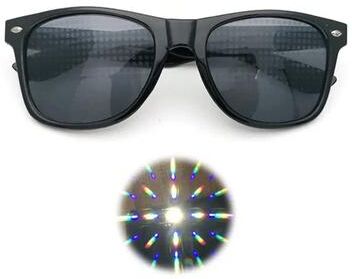
Quick Pick Pro Prism Effect Diffraction Glasses For Raves & Festivals Black Frame Rave Glasses With Light Refraction Lenses Prism Effect Diffraction Glasses For Raves & Festivals Black Frame Rave Glasses With Light Refraction LensesStep into a world where light becomes a living celebration. These Prism Effect diffraction glasses turn every laser, LED and stage light into vibrant, kaleidoscopic visuals that pull you deeper into the moment. Designed for music lovers, festival...41,97 $*Shipping: 0,00 $Secure redirect to the provider
-
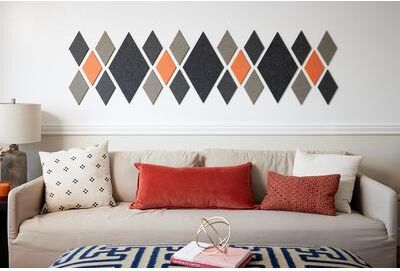
Felt Right Harmony Sound Dampening Pinnable TilesEach Felt Right tile is made from high-density, engineered PET felt that has a warm, wool-like appearance but is also very durable and wear-resistant! Each of our ⅜” Felt Right tiles act as a sound barrier on your walls. The fibrous nature of the...92,77 $*Shipping: 0,00 $Secure redirect to the provider
-
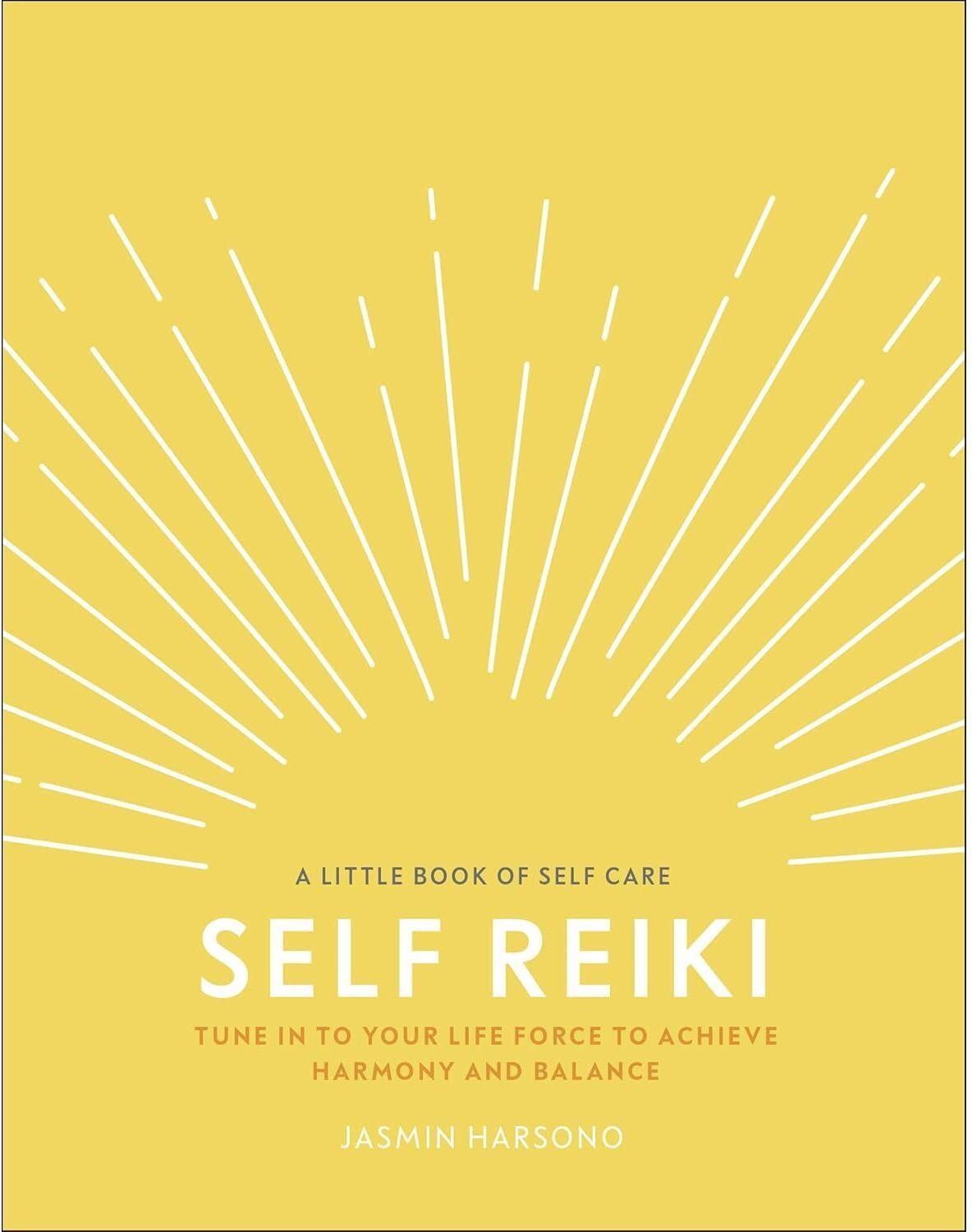
DK Self Reiki: Tune in to Your Life Force to Achieve Harmony and Balance by Jasmin HarsonoHarness the power of your own hands and make Reiki an indispensable part of your everyday self-care routine with this step-by-step guide to harmonising and healing. Heard of the term but don't know where to begin? No worries, DK has got you covered! A Reiki session produces a feeling of radiance and a sense of calm, peace, security and harmony of body and mind. It can also help to alleviate pain and treat stress and anxiety. The practice of Reiki is intuitive and involves tuning into internal energy by laying your hands on or close to targeted areas of the body to identify blockages, and using placement and pressure to encourage a healthy flow of life energy. Sound like something that can benefit you? Then this may be the book for you! This little self-care book will take you on a breathtaking journey of holistic healing, featuring: -A down-to-earth guide of over 40 step-by-step Reiki techniques to use at home -Detailed information written by a reliable expert in the field -Features practices, routines and exercised accompanied by easy-to-follow visual illustrations Dive deep into the pages of this brilliant massage book to explore meditation, mantra, visualisation, breathwork and more, all within a hands-on healing guide. Discover how to reset your anatomical pain maps, and connect to the universal energy that flows within your true self, all from the comfort and safety of your own home! Did you know that Reiki has been the subject of a number of scientific studies that have found evidence in support of Reiki as an effective self-therapy for reducing pain and anxiety. Fans of Reiki even include Cameron Diaz, Gwyneth Paltrow and Angelina Jolie! It's no secret that self-care is a vital tool for navigating the challenges of modern living. In a society where stress and anxiety mounts and self-esteem takes a dive, it can be challenging to know where to begin. Don't worry, DK has got you covered! Whether you're experiencing stress and anxiety in your work or personal life and you're seeking a wider range of self-care practices, or you wish to widen your knowledge and experience on healing techniques through meditation and mantras, this wonderful well-being book has something for everyone to discover. A must-have volume for those seeking to explore a wider range of self-care practices, whether you're interested in wellness trends and are open to trying new therapies, or you are experiencing painful muscles and joints and wish to remedy this via self-therapy. It's time to wake up to the true power of Reiki and enhance the quality of your life for the better.4,99 £*Shipping: 1,99 £Secure redirect to the provider

-
How do I calculate refraction or the angle of refraction?
To calculate refraction or the angle of refraction, you can use Snell's Law, which relates the angles of incidence and refraction to the refractive indices of the two mediums involved. The formula is n1*sin(theta1) = n2*sin(theta2), where n1 and n2 are the refractive indices of the two mediums, and theta1 and theta2 are the angles of incidence and refraction, respectively. By rearranging this formula, you can solve for the angle of refraction when given the angle of incidence and refractive indices of the mediums. **
-
How do I calculate the refraction or the angle of refraction?
To calculate the angle of refraction, you can use Snell's Law, which states that the ratio of the sine of the angle of incidence to the sine of the angle of refraction is equal to the ratio of the velocities of light in the two different mediums. Mathematically, this can be expressed as n1*sin(theta1) = n2*sin(theta2), where n1 and n2 are the refractive indices of the two mediums, and theta1 and theta2 are the angles of incidence and refraction, respectively. By rearranging this equation, you can solve for the angle of refraction. **
-
What is the angle of refraction in the refraction of light?
The angle of refraction in the refraction of light is the angle between the refracted ray and the normal to the surface at the point of incidence. It is determined by Snell's Law, which states that the ratio of the sine of the angle of incidence to the sine of the angle of refraction is equal to the ratio of the velocities of light in the two media. The angle of refraction can be calculated using the formula: n1*sin(θ1) = n2*sin(θ2), where n1 and n2 are the refractive indices of the two media, and θ1 and θ2 are the angles of incidence and refraction, respectively. **
-
How does the refraction of a sound wave occur in physics?
Refraction of a sound wave occurs when the wave passes from one medium to another with a different density. As the wave enters the new medium, its speed changes, causing the wave to bend. This bending is due to the change in the wave's direction as it travels through the new medium. The amount of bending depends on the difference in density between the two mediums. This phenomenon is similar to the refraction of light waves, but it occurs with sound waves instead. **
What is an improvising melody instrument and an accompanying rhythm group?
An improvising melody instrument is a musical instrument that is capable of playing improvised melodies, such as the saxophone, trumpet, or guitar. These instruments are able to create spontaneous and unique melodies during a musical performance. An accompanying rhythm group consists of instruments that provide the rhythmic foundation for the music, such as drums, bass, and keyboard. Together, the improvising melody instrument and the accompanying rhythm group work together to create a dynamic and cohesive musical experience, with the melody instrument taking the lead and the rhythm group providing the underlying groove and support. **
What is refraction in a prism?
Refraction in a prism is the bending of light as it passes through the prism due to the change in speed of light in different mediums. When light enters a prism, it slows down and bends towards the normal line, then as it exits the prism, it speeds up and bends away from the normal line. This bending of light causes the different colors of the spectrum to separate and create a rainbow effect. **
Top-Angebote
Products related to Refraction:
-
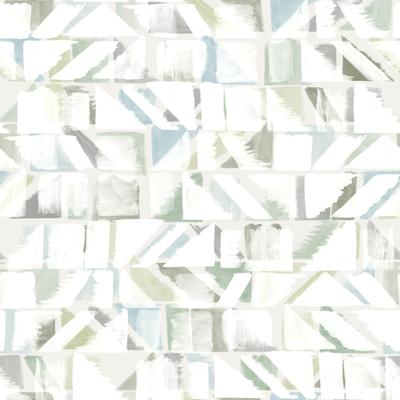
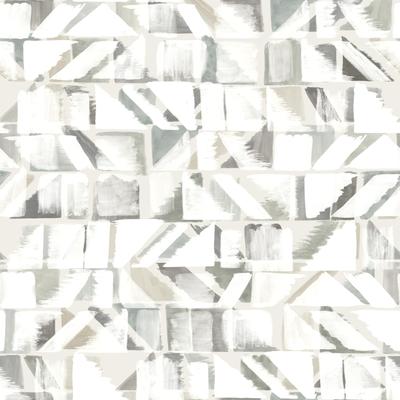
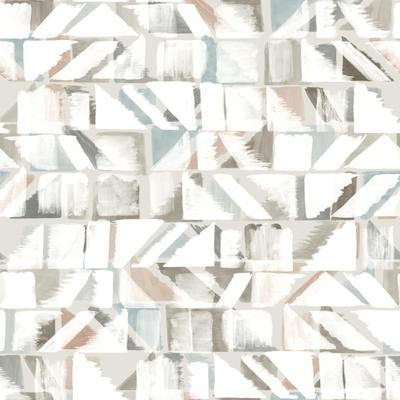
York Wallcoverings Blue Refraction Peel and Stick WallpaperPattern Refraction is a fractured geometric with the effect of a broken prism of reflected light. This Refraction Peel & Stick Wallpaper measures approximately 20.5 inches wide by 20 feet long, covering About 34.2 square feet per roll.47,07 $*Shipping: 0,00 $Secure redirect to the provider
-
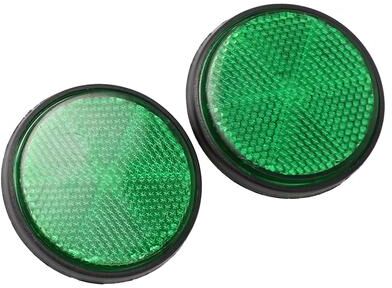
Smart Shopping Spot Motorcycle Night Reflector, Circular Reflector For Cars, Trucks, Refraction Light greenIlluminate Your Ride with the Circular Reflector Ensure safety and visibility during night rides with the Circular Reflector for Cars, Trucks, and Motorcycles. This easytoinstall reflector light ensures you're seen, whether driving a car, truck, or...22,97 $*Shipping: 0,00 $Secure redirect to the provider
-
Quick Pick Pro Prism Effect Diffraction Glasses For Raves & Festivals Black Frame Rave Glasses With Light Refraction Lenses Prism Effect Diffraction Glasses For Raves & Festivals Black Frame Rave Glasses With Light Refraction LensesStep into a world where light becomes a living celebration. These Prism Effect diffraction glasses turn every laser, LED and stage light into vibrant, kaleidoscopic visuals that pull you deeper into the moment. Designed for music lovers, festival...41,97 $*Shipping: 0,00 $Secure redirect to the provider
-
Felt Right Harmony Sound Dampening Pinnable TilesEach Felt Right tile is made from high-density, engineered PET felt that has a warm, wool-like appearance but is also very durable and wear-resistant! Each of our ⅜” Felt Right tiles act as a sound barrier on your walls. The fibrous nature of the...92,77 $*Shipping: 0,00 $Secure redirect to the provider
-
Does it belong more to rhythm, melody, and harmony?
The concept of harmony is most closely related to the interaction of different notes and chords in music. Harmony refers to the simultaneous sounding of different pitches to create a pleasing sound. While rhythm and melody are also important elements in music, harmony specifically deals with the vertical aspect of music, focusing on how notes and chords interact with each other. Therefore, harmony belongs more to the realm of harmony itself. **
-
What is the difference between rhythm, melody, and harmony?
Rhythm refers to the pattern of sounds and silences in music, creating a sense of movement and pulse. Melody is the sequence of musical notes that are perceived as a single entity, often the most recognizable and memorable part of a song. Harmony involves the combination of different musical notes played or sung simultaneously, creating a pleasing sound. While rhythm provides the framework for the timing of music, melody is the main tune, and harmony adds depth and richness to the overall sound. **
-
How do I calculate refraction or the angle of refraction?
To calculate refraction or the angle of refraction, you can use Snell's Law, which relates the angles of incidence and refraction to the refractive indices of the two mediums involved. The formula is n1*sin(theta1) = n2*sin(theta2), where n1 and n2 are the refractive indices of the two mediums, and theta1 and theta2 are the angles of incidence and refraction, respectively. By rearranging this formula, you can solve for the angle of refraction when given the angle of incidence and refractive indices of the mediums. **
-
How do I calculate the refraction or the angle of refraction?
To calculate the angle of refraction, you can use Snell's Law, which states that the ratio of the sine of the angle of incidence to the sine of the angle of refraction is equal to the ratio of the velocities of light in the two different mediums. Mathematically, this can be expressed as n1*sin(theta1) = n2*sin(theta2), where n1 and n2 are the refractive indices of the two mediums, and theta1 and theta2 are the angles of incidence and refraction, respectively. By rearranging this equation, you can solve for the angle of refraction. **
Similar search terms for Refraction
-
DK Self Reiki: Tune in to Your Life Force to Achieve Harmony and Balance by Jasmin HarsonoHarness the power of your own hands and make Reiki an indispensable part of your everyday self-care routine with this step-by-step guide to harmonising and healing. Heard of the term but don't know where to begin? No worries, DK has got you covered! A Reiki session produces a feeling of radiance and a sense of calm, peace, security and harmony of body and mind. It can also help to alleviate pain and treat stress and anxiety. The practice of Reiki is intuitive and involves tuning into internal energy by laying your hands on or close to targeted areas of the body to identify blockages, and using placement and pressure to encourage a healthy flow of life energy. Sound like something that can benefit you? Then this may be the book for you! This little self-care book will take you on a breathtaking journey of holistic healing, featuring: -A down-to-earth guide of over 40 step-by-step Reiki techniques to use at home -Detailed information written by a reliable expert in the field -Features practices, routines and exercised accompanied by easy-to-follow visual illustrations Dive deep into the pages of this brilliant massage book to explore meditation, mantra, visualisation, breathwork and more, all within a hands-on healing guide. Discover how to reset your anatomical pain maps, and connect to the universal energy that flows within your true self, all from the comfort and safety of your own home! Did you know that Reiki has been the subject of a number of scientific studies that have found evidence in support of Reiki as an effective self-therapy for reducing pain and anxiety. Fans of Reiki even include Cameron Diaz, Gwyneth Paltrow and Angelina Jolie! It's no secret that self-care is a vital tool for navigating the challenges of modern living. In a society where stress and anxiety mounts and self-esteem takes a dive, it can be challenging to know where to begin. Don't worry, DK has got you covered! Whether you're experiencing stress and anxiety in your work or personal life and you're seeking a wider range of self-care practices, or you wish to widen your knowledge and experience on healing techniques through meditation and mantras, this wonderful well-being book has something for everyone to discover. A must-have volume for those seeking to explore a wider range of self-care practices, whether you're interested in wellness trends and are open to trying new therapies, or you are experiencing painful muscles and joints and wish to remedy this via self-therapy. It's time to wake up to the true power of Reiki and enhance the quality of your life for the better.4,99 £*Shipping: 1,99 £Secure redirect to the provider
-
York Wallcoverings Neutral Refraction Peel and Stick WallpaperPattern Refraction is a fractured geometric with the effect of a broken prism of reflected light. This Refraction Peel & Stick Wallpaper measures approximately 20.5 inches wide by 20 feet long, covering About 34.2 square feet per roll.55,25 $*Shipping: 0,00 $Secure redirect to the provider
-
York Wallcoverings Brown and Beige Refraction Peel and Stick WallpaperPattern Refraction is a fractured geometric with the effect of a broken prism of reflected light. This Refraction Peel & Stick Wallpaper measures approximately 20.5 inches wide by 20 feet long, covering About 34.2 square feet per roll.40,80 $*Shipping: 0,00 $Secure redirect to the provider
-
What is the angle of refraction in the refraction of light?
The angle of refraction in the refraction of light is the angle between the refracted ray and the normal to the surface at the point of incidence. It is determined by Snell's Law, which states that the ratio of the sine of the angle of incidence to the sine of the angle of refraction is equal to the ratio of the velocities of light in the two media. The angle of refraction can be calculated using the formula: n1*sin(θ1) = n2*sin(θ2), where n1 and n2 are the refractive indices of the two media, and θ1 and θ2 are the angles of incidence and refraction, respectively. **
-
How does the refraction of a sound wave occur in physics?
Refraction of a sound wave occurs when the wave passes from one medium to another with a different density. As the wave enters the new medium, its speed changes, causing the wave to bend. This bending is due to the change in the wave's direction as it travels through the new medium. The amount of bending depends on the difference in density between the two mediums. This phenomenon is similar to the refraction of light waves, but it occurs with sound waves instead. **
-
What is an improvising melody instrument and an accompanying rhythm group?
An improvising melody instrument is a musical instrument that is capable of playing improvised melodies, such as the saxophone, trumpet, or guitar. These instruments are able to create spontaneous and unique melodies during a musical performance. An accompanying rhythm group consists of instruments that provide the rhythmic foundation for the music, such as drums, bass, and keyboard. Together, the improvising melody instrument and the accompanying rhythm group work together to create a dynamic and cohesive musical experience, with the melody instrument taking the lead and the rhythm group providing the underlying groove and support. **
-
What is refraction in a prism?
Refraction in a prism is the bending of light as it passes through the prism due to the change in speed of light in different mediums. When light enters a prism, it slows down and bends towards the normal line, then as it exits the prism, it speeds up and bends away from the normal line. This bending of light causes the different colors of the spectrum to separate and create a rainbow effect. **
* All prices are inclusive of VAT and, if applicable, plus shipping costs. The offer information is based on the details provided by the respective shop and is updated through automated processes. Real-time updates do not occur, so deviations can occur in individual cases. ** Note: Parts of this content were created by AI.