Buy mdmusic.eu ?
We are moving the project
mdmusic.eu .
Are you interested in purchasing the domain
mdmusic.eu ?
domain@kv-gmbh.de · 0541-91531010
Buy mdmusic.eu ?
Does it belong more to rhythm, melody, and harmony?
The concept of harmony is most closely related to the interaction of different notes and chords in music. Harmony refers to the simultaneous sounding of different pitches to create a pleasing sound. While rhythm and melody are also important elements in music, harmony specifically deals with the vertical aspect of music, focusing on how notes and chords interact with each other. Therefore, harmony belongs more to the realm of harmony itself. **
What is the difference between rhythm, melody, and harmony?
Rhythm refers to the pattern of sounds and silences in music, creating a sense of movement and pulse. Melody is the sequence of musical notes that are perceived as a single entity, often the most recognizable and memorable part of a song. Harmony involves the combination of different musical notes played or sung simultaneously, creating a pleasing sound. While rhythm provides the framework for the timing of music, melody is the main tune, and harmony adds depth and richness to the overall sound. **

Similar search terms for Scholastic-Teaching-Resources-Scholastic
Top-Angebote
Products related to Scholastic-Teaching-Resources-Scholastic:
-
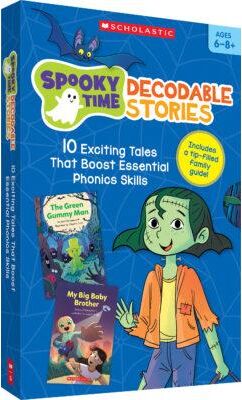
Scholastic Teaching Resources Spooky Time Decodable StoriesTime to take your child to the next level as a reader with this spooky set of humorous, highly decodable stories! Inside this box, you'll find 10 tales featuring 4-8 sentences per page and just-right text with words containing short and long vowels,...23,99 $*Shipping: 0,00 $Secure redirect to the provider
-
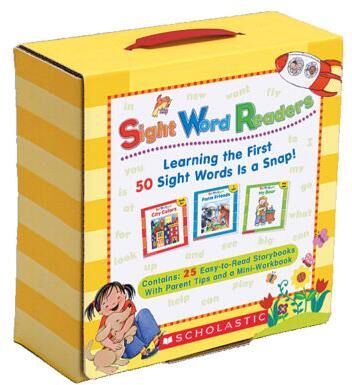
Scholastic Teaching Resources Sight Word Readers Parent PackHelp your child soar in reading with this set of 25 little books that teach 50 of the most frequently used words in print! Kids will love these playful stories they can read all by themselves. You'll love the fact that each one builds reading skills...23,99 $*Shipping: 0,00 $Secure redirect to the provider
-
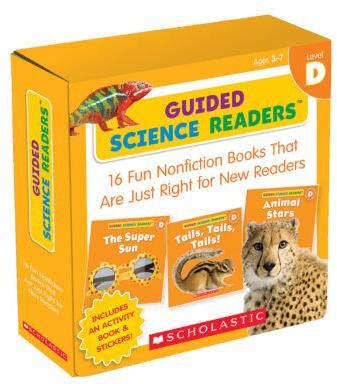
Scholastic Teaching Resources Guided Science Readers Pack DSet your child on the path to reading success with this exciting collection of little books on favorite science topics: sea turtles, ladybugs, chicks, ice cream, sea turtles, and many more. These level D books feature engaging photos paired with...23,99 $*Shipping: 0,00 $Secure redirect to the provider

-
Are renewable resources the same as sustainable resources?
Renewable resources and sustainable resources are related concepts but not exactly the same. Renewable resources are those that can be replenished naturally over time, such as sunlight, wind, and water. Sustainable resources, on the other hand, refer to resources that are managed in a way that meets current needs without compromising the ability of future generations to meet their own needs. While renewable resources are often considered sustainable, not all sustainable resources are necessarily renewable, as some non-renewable resources can be managed in a way that ensures their long-term availability. **
-
What is an improvising melody instrument and an accompanying rhythm group?
An improvising melody instrument is a musical instrument that is capable of playing improvised melodies, such as the saxophone, trumpet, or guitar. These instruments are able to create spontaneous and unique melodies during a musical performance. An accompanying rhythm group consists of instruments that provide the rhythmic foundation for the music, such as drums, bass, and keyboard. Together, the improvising melody instrument and the accompanying rhythm group work together to create a dynamic and cohesive musical experience, with the melody instrument taking the lead and the rhythm group providing the underlying groove and support. **
-
What are operational resources?
Operational resources refer to the physical, financial, human, and technological assets that a company uses on a day-to-day basis to carry out its business activities. These resources are essential for the organization to function efficiently and effectively. Examples of operational resources include machinery, equipment, inventory, cash, employees, and software systems. Proper management and allocation of operational resources are crucial for the success and sustainability of a business. **
-
What resources are available?
There are various resources available to help with different needs, such as educational resources like libraries, online courses, and tutoring services. For mental health support, resources include therapy services, hotlines, and support groups. Financial resources like banks, financial advisors, and budgeting tools can help with managing money. Additionally, community resources such as food banks, shelters, and job placement services are available to assist with basic needs. **


What are living resources?
Living resources refer to the various organisms and ecosystems that are essential for supporting life on Earth. This includes plants, animals, microorganisms, and the habitats they live in. These resources provide food, medicine, raw materials, and ecological services that are vital for human survival and well-being. Protecting and managing living resources is crucial for maintaining biodiversity and ensuring the sustainability of ecosystems. **
What does resources mean?
Resources refer to the materials, tools, and assets that are available to be used in order to achieve a particular goal or objective. These can include natural resources such as water, minerals, and forests, as well as human resources such as labor and expertise. In a broader sense, resources can also encompass financial capital, technology, and knowledge that can be utilized to create value or solve problems. Overall, resources are the essential components that enable individuals, organizations, and societies to function and thrive. **
Top-Angebote
Products related to Scholastic-Teaching-Resources-Scholastic:
-
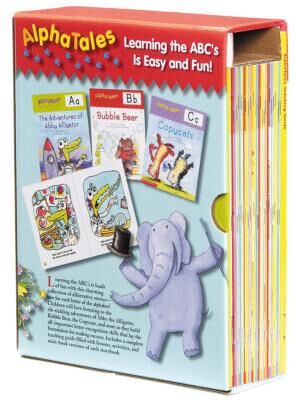
Scholastic Teaching Resources AlphaTales Box Set"A set of 26 irresistible animal storybooks that build phonemic awareness and teach each letter of the alphabet. Box set includes:- 26 full-color, 16-page 8"" x 10"" storybooks- 128-page teaching guide with lessons and mini-book versions of each..."74,99 $*Shipping: 0,00 $Secure redirect to the provider
-
Scholastic Teaching Resources Scholastic Success With Grade 5 Value PackReinforce key skills with these exciting practice books!This set includes:Scholastic Success With Grade 5: Fractions & DecimalsScholastic Success With Grade 5: GrammarScholastic Success With Grade 5: MathScholastic Success With Grade 5: Math...41,59 $*Shipping: 0,00 $Secure redirect to the provider
-
Scholastic Teaching Resources Spooky Time Decodable StoriesTime to take your child to the next level as a reader with this spooky set of humorous, highly decodable stories! Inside this box, you'll find 10 tales featuring 4-8 sentences per page and just-right text with words containing short and long vowels,...23,99 $*Shipping: 0,00 $Secure redirect to the provider
-
Does it belong more to rhythm, melody, and harmony?
The concept of harmony is most closely related to the interaction of different notes and chords in music. Harmony refers to the simultaneous sounding of different pitches to create a pleasing sound. While rhythm and melody are also important elements in music, harmony specifically deals with the vertical aspect of music, focusing on how notes and chords interact with each other. Therefore, harmony belongs more to the realm of harmony itself. **
-
What is the difference between rhythm, melody, and harmony?
Rhythm refers to the pattern of sounds and silences in music, creating a sense of movement and pulse. Melody is the sequence of musical notes that are perceived as a single entity, often the most recognizable and memorable part of a song. Harmony involves the combination of different musical notes played or sung simultaneously, creating a pleasing sound. While rhythm provides the framework for the timing of music, melody is the main tune, and harmony adds depth and richness to the overall sound. **
-
Are renewable resources the same as sustainable resources?
Renewable resources and sustainable resources are related concepts but not exactly the same. Renewable resources are those that can be replenished naturally over time, such as sunlight, wind, and water. Sustainable resources, on the other hand, refer to resources that are managed in a way that meets current needs without compromising the ability of future generations to meet their own needs. While renewable resources are often considered sustainable, not all sustainable resources are necessarily renewable, as some non-renewable resources can be managed in a way that ensures their long-term availability. **
-
What is an improvising melody instrument and an accompanying rhythm group?
An improvising melody instrument is a musical instrument that is capable of playing improvised melodies, such as the saxophone, trumpet, or guitar. These instruments are able to create spontaneous and unique melodies during a musical performance. An accompanying rhythm group consists of instruments that provide the rhythmic foundation for the music, such as drums, bass, and keyboard. Together, the improvising melody instrument and the accompanying rhythm group work together to create a dynamic and cohesive musical experience, with the melody instrument taking the lead and the rhythm group providing the underlying groove and support. **
Similar search terms for Scholastic-Teaching-Resources-Scholastic
-
Scholastic Teaching Resources Sight Word Readers Parent PackHelp your child soar in reading with this set of 25 little books that teach 50 of the most frequently used words in print! Kids will love these playful stories they can read all by themselves. You'll love the fact that each one builds reading skills...23,99 $*Shipping: 0,00 $Secure redirect to the provider
-
Scholastic Teaching Resources Guided Science Readers Pack DSet your child on the path to reading success with this exciting collection of little books on favorite science topics: sea turtles, ladybugs, chicks, ice cream, sea turtles, and many more. These level D books feature engaging photos paired with...23,99 $*Shipping: 0,00 $Secure redirect to the provider
-
Scholastic Teaching Resources Buddy Readers: Level D (Parent Pack)Young learners will love these funny, character-driven, easy-to-read storybooks correlated with guided-reading level D. This unique set includes 5 Mary Fairy stories, 5 Sam Snowman stories, 5 Harry Spider stories, and 5 Cave Kids storiesfor a total...20,39 $*Shipping: 0,00 $Secure redirect to the provider
-
Scholastic Teaching Resources Phonics First Little Readers (Parent Pack)Set your child on the road to reading success with this library of adorable, illustrated mini books. The fun, easy-to-read stories in this collection give your child practice with must-know phonics skills, such as short vowels, long vowels,...20,39 $*Shipping: 0,00 $Secure redirect to the provider
-
What are operational resources?
Operational resources refer to the physical, financial, human, and technological assets that a company uses on a day-to-day basis to carry out its business activities. These resources are essential for the organization to function efficiently and effectively. Examples of operational resources include machinery, equipment, inventory, cash, employees, and software systems. Proper management and allocation of operational resources are crucial for the success and sustainability of a business. **
-
What resources are available?
There are various resources available to help with different needs, such as educational resources like libraries, online courses, and tutoring services. For mental health support, resources include therapy services, hotlines, and support groups. Financial resources like banks, financial advisors, and budgeting tools can help with managing money. Additionally, community resources such as food banks, shelters, and job placement services are available to assist with basic needs. **
-
What are living resources?
Living resources refer to the various organisms and ecosystems that are essential for supporting life on Earth. This includes plants, animals, microorganisms, and the habitats they live in. These resources provide food, medicine, raw materials, and ecological services that are vital for human survival and well-being. Protecting and managing living resources is crucial for maintaining biodiversity and ensuring the sustainability of ecosystems. **
-
What does resources mean?
Resources refer to the materials, tools, and assets that are available to be used in order to achieve a particular goal or objective. These can include natural resources such as water, minerals, and forests, as well as human resources such as labor and expertise. In a broader sense, resources can also encompass financial capital, technology, and knowledge that can be utilized to create value or solve problems. Overall, resources are the essential components that enable individuals, organizations, and societies to function and thrive. **
* All prices are inclusive of VAT and, if applicable, plus shipping costs. The offer information is based on the details provided by the respective shop and is updated through automated processes. Real-time updates do not occur, so deviations can occur in individual cases. ** Note: Parts of this content were created by AI.