Buy mdmusic.eu ?
We are moving the project
mdmusic.eu .
Are you interested in purchasing the domain
mdmusic.eu ?
domain@kv-gmbh.de · 0541-91531010
Buy mdmusic.eu ?
What is tonal cadence harmony?
Tonal cadence harmony refers to the progression of chords that create a sense of resolution or finality in music. It typically involves the movement from a dominant chord to a tonic chord, creating a feeling of closure or completion. Tonal cadences are an important aspect of Western music theory and are used to establish key centers and provide a sense of direction in a musical composition. Different types of cadences, such as authentic, plagal, and deceptive cadences, can evoke different emotional responses and contribute to the overall structure and mood of a piece of music. **
Does it belong more to rhythm, melody, and harmony?
The concept of harmony is most closely related to the interaction of different notes and chords in music. Harmony refers to the simultaneous sounding of different pitches to create a pleasing sound. While rhythm and melody are also important elements in music, harmony specifically deals with the vertical aspect of music, focusing on how notes and chords interact with each other. Therefore, harmony belongs more to the realm of harmony itself. **

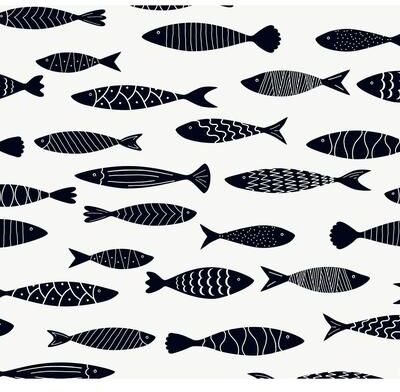
Similar search terms for Seabrook-Designs-Cadence-Fish
Top-Angebote
Products related to Seabrook-Designs-Cadence-Fish:
-
Seabrook Designs Koi Fish Unpasted WallpaperBeautiful metallic Koi fish swim across a swirled faux backdrop to create this animal wallpaper pattern. The eclectic print draws inspiration from and restructures the core principles of Ancient Eastern artistry.83,99 $*Shipping: 0,00 $Secure redirect to the provider


-
What is the difference between rhythm, melody, and harmony?
Rhythm refers to the pattern of sounds and silences in music, creating a sense of movement and pulse. Melody is the sequence of musical notes that are perceived as a single entity, often the most recognizable and memorable part of a song. Harmony involves the combination of different musical notes played or sung simultaneously, creating a pleasing sound. While rhythm provides the framework for the timing of music, melody is the main tune, and harmony adds depth and richness to the overall sound. **
-
What is an improvising melody instrument and an accompanying rhythm group?
An improvising melody instrument is a musical instrument that is capable of playing improvised melodies, such as the saxophone, trumpet, or guitar. These instruments are able to create spontaneous and unique melodies during a musical performance. An accompanying rhythm group consists of instruments that provide the rhythmic foundation for the music, such as drums, bass, and keyboard. Together, the improvising melody instrument and the accompanying rhythm group work together to create a dynamic and cohesive musical experience, with the melody instrument taking the lead and the rhythm group providing the underlying groove and support. **
-
What is the composition of the fish population?
The fish population is composed of a variety of species, including both freshwater and saltwater fish. These species can range from small minnows and guppies to larger predators such as bass, trout, and salmon. The composition of the fish population can also include both native and non-native species, which can have different impacts on the ecosystem. Overall, the fish population is diverse and plays a crucial role in maintaining the balance of aquatic ecosystems. **
-
How does Bob Dylan handle melody, rhythm, and harmony in A Hard Rain's A-Gonna Fall?
In "A Hard Rain's A-Gonna Fall," Bob Dylan utilizes a haunting melody that adds to the sense of urgency and impending doom in the song. The rhythm is steady and driving, propelling the song forward and adding to its intensity. Harmonically, Dylan uses simple chord progressions that enhance the emotional impact of the lyrics. Overall, Dylan's handling of melody, rhythm, and harmony in this song creates a powerful and evocative listening experience. **


Do people listen to songs only because of the beat or melody, or also because of the lyrics?
People listen to songs for a variety of reasons, and both the beat/melody and the lyrics can play a significant role in a song's appeal. While some people may be drawn to a song primarily because of its catchy beat or melody, others may be more interested in the message conveyed through the lyrics. The emotional connection and storytelling provided by the lyrics can often resonate deeply with listeners, making them just as important as the musical elements of a song. Ultimately, the appeal of a song can be influenced by a combination of both its musical and lyrical components. **
How do you mix rap vocals into beats so that it doesn't sound like the voice is on top of the beat, but within the beat?
To mix rap vocals into beats seamlessly, it's important to pay attention to the levels and frequencies of both the vocals and the beat. Start by EQing the vocals to remove any frequencies that clash with the beat, then use compression to even out the vocal volume. Next, apply reverb and delay effects to blend the vocals into the beat and create a sense of space. Finally, use panning and stereo imaging techniques to place the vocals within the mix, rather than on top of it, creating a cohesive sound. **
Top-Angebote
Products related to Seabrook-Designs-Cadence-Fish:
-
Seabrook Designs Koi Fish Unpasted WallpaperBeautiful metallic Koi fish swim across a swirled faux backdrop to create this animal wallpaper pattern. The eclectic print draws inspiration from and restructures the core principles of Ancient Eastern artistry.83,99 $*Shipping: 0,00 $Secure redirect to the provider
-
What is tonal cadence harmony?
Tonal cadence harmony refers to the progression of chords that create a sense of resolution or finality in music. It typically involves the movement from a dominant chord to a tonic chord, creating a feeling of closure or completion. Tonal cadences are an important aspect of Western music theory and are used to establish key centers and provide a sense of direction in a musical composition. Different types of cadences, such as authentic, plagal, and deceptive cadences, can evoke different emotional responses and contribute to the overall structure and mood of a piece of music. **
-
Does it belong more to rhythm, melody, and harmony?
The concept of harmony is most closely related to the interaction of different notes and chords in music. Harmony refers to the simultaneous sounding of different pitches to create a pleasing sound. While rhythm and melody are also important elements in music, harmony specifically deals with the vertical aspect of music, focusing on how notes and chords interact with each other. Therefore, harmony belongs more to the realm of harmony itself. **
-
What is the difference between rhythm, melody, and harmony?
Rhythm refers to the pattern of sounds and silences in music, creating a sense of movement and pulse. Melody is the sequence of musical notes that are perceived as a single entity, often the most recognizable and memorable part of a song. Harmony involves the combination of different musical notes played or sung simultaneously, creating a pleasing sound. While rhythm provides the framework for the timing of music, melody is the main tune, and harmony adds depth and richness to the overall sound. **
-
What is an improvising melody instrument and an accompanying rhythm group?
An improvising melody instrument is a musical instrument that is capable of playing improvised melodies, such as the saxophone, trumpet, or guitar. These instruments are able to create spontaneous and unique melodies during a musical performance. An accompanying rhythm group consists of instruments that provide the rhythmic foundation for the music, such as drums, bass, and keyboard. Together, the improvising melody instrument and the accompanying rhythm group work together to create a dynamic and cohesive musical experience, with the melody instrument taking the lead and the rhythm group providing the underlying groove and support. **
Similar search terms for Seabrook-Designs-Cadence-Fish
-
What is the composition of the fish population?
The fish population is composed of a variety of species, including both freshwater and saltwater fish. These species can range from small minnows and guppies to larger predators such as bass, trout, and salmon. The composition of the fish population can also include both native and non-native species, which can have different impacts on the ecosystem. Overall, the fish population is diverse and plays a crucial role in maintaining the balance of aquatic ecosystems. **
-
How does Bob Dylan handle melody, rhythm, and harmony in A Hard Rain's A-Gonna Fall?
In "A Hard Rain's A-Gonna Fall," Bob Dylan utilizes a haunting melody that adds to the sense of urgency and impending doom in the song. The rhythm is steady and driving, propelling the song forward and adding to its intensity. Harmonically, Dylan uses simple chord progressions that enhance the emotional impact of the lyrics. Overall, Dylan's handling of melody, rhythm, and harmony in this song creates a powerful and evocative listening experience. **
-
Do people listen to songs only because of the beat or melody, or also because of the lyrics?
People listen to songs for a variety of reasons, and both the beat/melody and the lyrics can play a significant role in a song's appeal. While some people may be drawn to a song primarily because of its catchy beat or melody, others may be more interested in the message conveyed through the lyrics. The emotional connection and storytelling provided by the lyrics can often resonate deeply with listeners, making them just as important as the musical elements of a song. Ultimately, the appeal of a song can be influenced by a combination of both its musical and lyrical components. **
-
How do you mix rap vocals into beats so that it doesn't sound like the voice is on top of the beat, but within the beat?
To mix rap vocals into beats seamlessly, it's important to pay attention to the levels and frequencies of both the vocals and the beat. Start by EQing the vocals to remove any frequencies that clash with the beat, then use compression to even out the vocal volume. Next, apply reverb and delay effects to blend the vocals into the beat and create a sense of space. Finally, use panning and stereo imaging techniques to place the vocals within the mix, rather than on top of it, creating a cohesive sound. **
* All prices are inclusive of VAT and, if applicable, plus shipping costs. The offer information is based on the details provided by the respective shop and is updated through automated processes. Real-time updates do not occur, so deviations can occur in individual cases. ** Note: Parts of this content were created by AI.